

Every plant manager knows the frustration of a conveyor that looks perfect on paper but struggles on the floor. Parts jam, belts drift, and maintenance crews lose weekends fixing problems nobody planned for. Strong conveyor system design prevents most of these headaches. The real fix often starts earlier than people expect. When engineers plan for how a conveyor will be built, installed, and serviced, the whole project runs smoother. That approach is called Design for Manufacturing, and it can transform your material handling results.
This guide explains how DFM principles improve conveyor design. You will find practical steps, common mistakes, and a simple checklist you can use on your next project.
What Is Conveyor System Design?
Conveyor system design is the process of planning how products move through a facility. Engineers choose the conveyor type, layout, drive system, controls, and safety features. They match each choice to the product weight, speed, and environment.
A good design does three things well:
- It moves materials at the required rate.
- It protects products and workers.
- It stays easy to maintain over many years.
Many teams focus only on the first goal. They size motors and belts correctly but ignore how hard the system is to build or repair. That gap creates delays and extra costs later.
What Does Design for Manufacturing Mean?
Design for Manufacturing, or DFM, is an engineering approach. It asks one question during every design decision: “How easily can we make this?” Engineers simplify parts, reduce steps, and remove features that add cost without adding value.
DFM began in discrete manufacturing, but it fits conveyors perfectly. A conveyor includes frames, rollers, bearings, guards, and brackets. Each part has a cost, a lead time, and an assembly step. Small improvements multiply fast across hundreds of components.
Why DFM Matters for Conveyor Projects
Conveyor projects carry tight schedules. Customers want the line running quickly, and every delay costs money. Poor manufacturability causes three common problems.
First, custom parts raise costs. A one-off bracket needs special tooling and longer lead times. Second, complex assemblies slow installation. Crews waste hours aligning parts that should snap into place. Third, hard-to-reach components make maintenance painful. Technicians skip routine checks, and small issues grow into breakdowns.
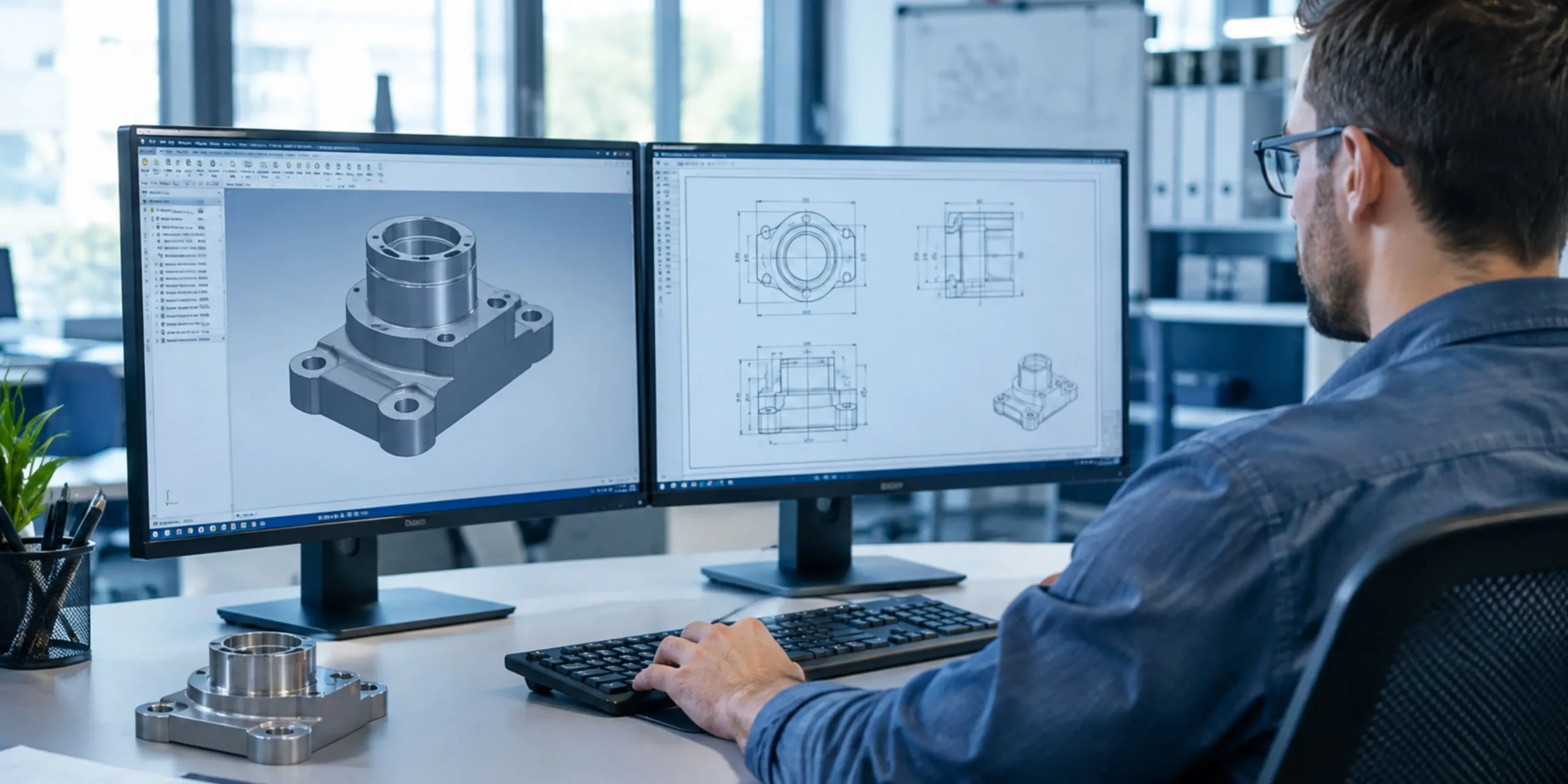
DFM tackles all three. It brings fabrication, assembly, and maintenance knowledge into the design phase. Teams solve problems on screen instead of on the shop floor.
Core DFM Principles for Conveyor System Design
Here are the principles that deliver the biggest gains.
Simplify the Structure
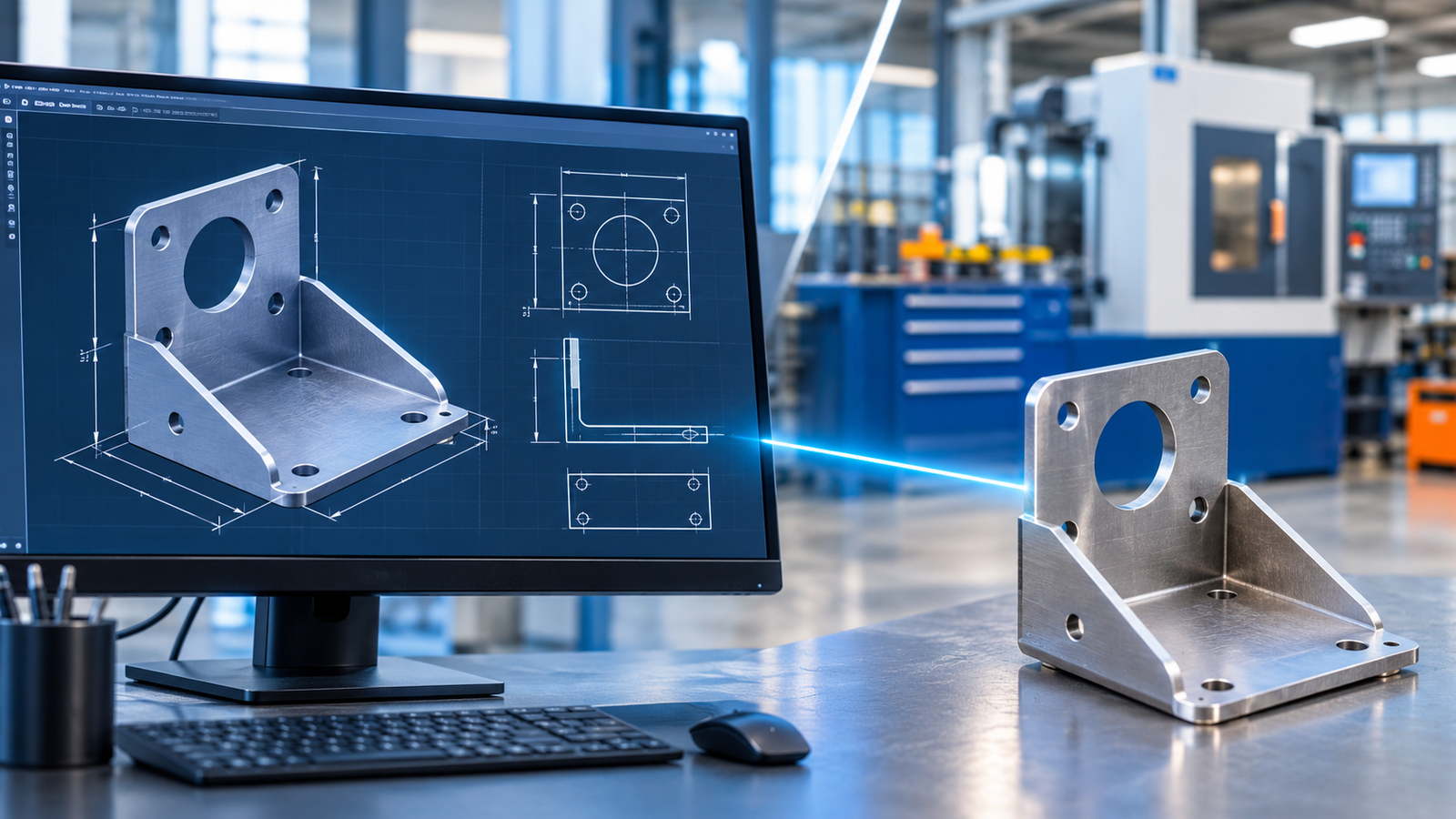
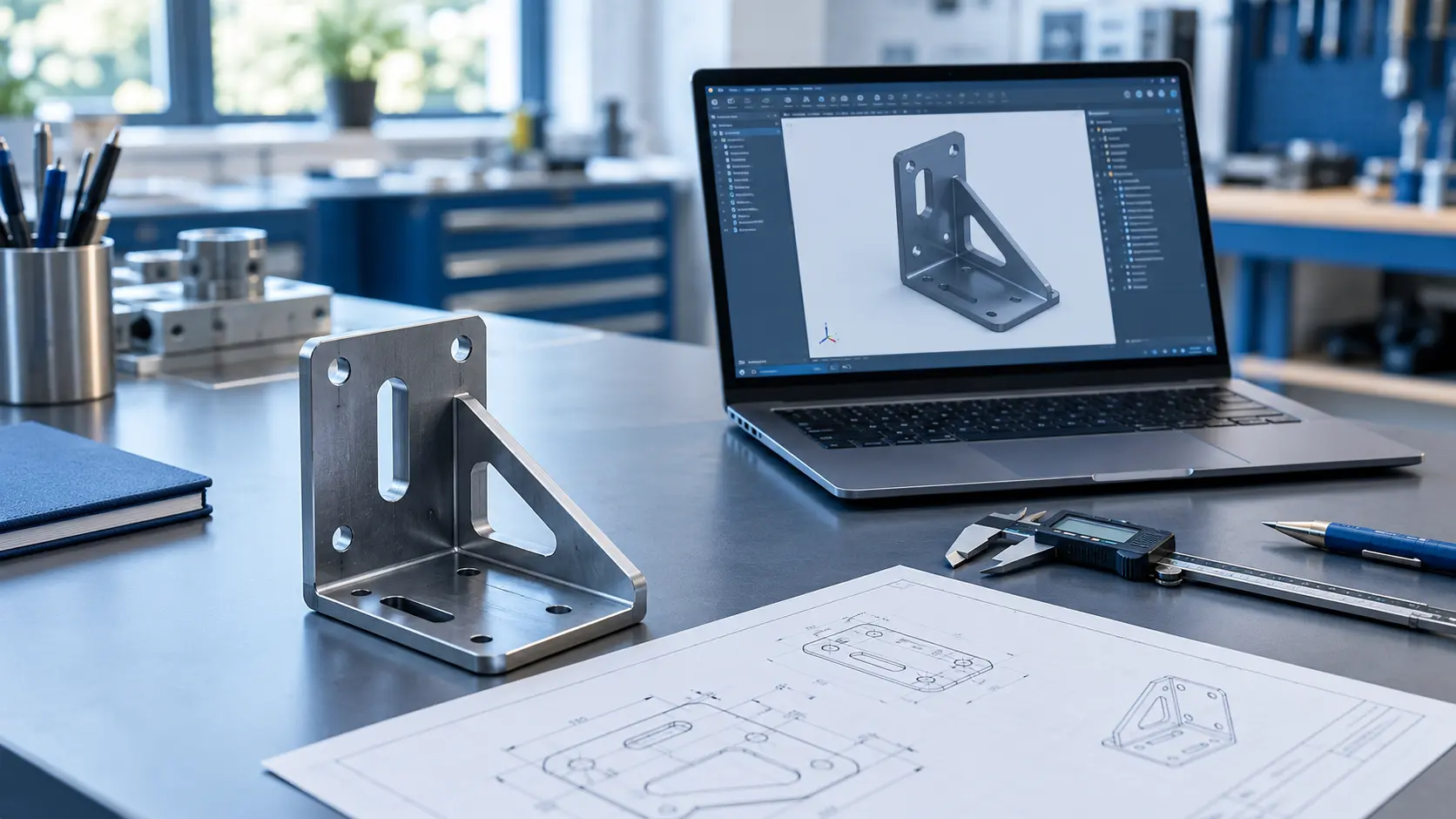
Fewer parts mean fewer failure points. Review every frame section, bracket, and fastener. Ask whether one part could replace two. For example, a formed steel bracket can often replace a welded assembly of three pieces. That change saves fabrication time and removes weld inspection steps.
Standardize Components
Standard parts cut cost and shorten lead times. Use common roller diameters, bearing sizes, and fastener types across the entire system. Suppliers stock these items, so replacements arrive quickly. Standardization also helps your maintenance team. They carry fewer spare parts and learn one system instead of five.
Design for Easy Assembly
Think about the person holding the wrench. Can they reach every bolt? Do parts fit together in only one correct way? Features like alignment pins, slotted holes, and modular frame sections speed up installation. They also reduce errors that cause rework.
Choose Materials and Tolerances Wisely
Tight tolerances look impressive, but they raise machining costs. Specify tight tolerances only where the function demands them. Use looser, standard tolerances everywhere else. Material choice matters too. Stainless steel suits food and pharmaceutical lines. Powder-coated carbon steel works well for dry, general-purpose environments. Matching the material to the job avoids both overspending and early corrosion.
Plan for Maintenance Access
Build service points into the design from the start. Place grease fittings where technicians can reach them. Use quick-release guards instead of fixed panels. Group sensors and motors so one person can inspect them in minutes. A conveyor that is easy to service will run longer and cost less over its lifetime.
Where DFM Fits in the Design Process
Timing makes the biggest difference. DFM works best when it starts at concept stage, not after drawings are final. Changes cost almost nothing at the sketch phase. The same change can cost thousands once steel is cut.
Bring your fabricators and installers into early design reviews. They spot problems that designers often miss. A welder may notice an impossible access angle. An installer may suggest a better split point for shipping. These small insights save weeks.
Teams that want a structured approach can explore a dedicated Design for Manufacturing process. A clear method keeps every review consistent and keeps projects on schedule.
Benefits of Applying DFM to Conveyor Systems
The payoff shows up in several areas.
Lower costs: Simpler parts and standard components reduce material and labor spending. Many teams see savings in both the build and the long-term upkeep.
Faster delivery: Fewer custom items mean shorter lead times. Modular assemblies also ship and install faster.
Better quality: Fewer parts and cleaner assemblies create fewer chances for error. Systems arrive aligned and ready to run.
Less downtime: Easy maintenance access keeps preventive tasks on schedule. Fewer surprise failures protect your production targets.
Easier upgrades: Modular designs adapt when your product mix changes. You can add a section or swap a drive without rebuilding the line.
Common Mistakes to Avoid
Even experienced teams slip up. Watch for these traps.
Over-engineering: Adding features “just in case” raises cost and complexity. Design for the real requirements, not imagined ones.
Ignoring installation constraints: A design that works in the shop may not fit through a factory doorway. Check site access, ceiling heights, and crane limits early.
Skipping cross-team input: Designers who work alone miss practical problems. Invite production, maintenance, and safety staff to every review.
Forgetting future growth: Systems rarely stay the same size. Leave room for extra capacity, new sensors, and added zones.
A Simple DFM Checklist for Conveyor Design
Use this checklist before you release drawings.
- Have you reduced the total part count where possible?
- Do standard components cover at least 80 percent of the bill of materials?
- Can one technician assemble each module with common tools?
- Do tolerances match the real functional need?
- Can crews reach every grease point, sensor, and fastener?
- Does each module fit shipping and site access limits?
- Have fabrication and installation experts reviewed the design?
If you answer “no” to any item, revisit that area. A small fix now prevents a big problem later.
Final Thoughts
Great conveyors do more than move boxes. They run reliably, install quickly, and stay affordable to maintain. DFM principles help you reach all three goals. Simplify the structure, standardize your parts, plan for assembly, and design for easy service. Then bring your build and maintenance teams into the process early.
Want to dig deeper into the topic? Read why Design for Manufacturing matters before production to see how early planning protects your budget and schedule. You can also follow Keyway Solutions on LinkedIn for more engineering insights and project updates.