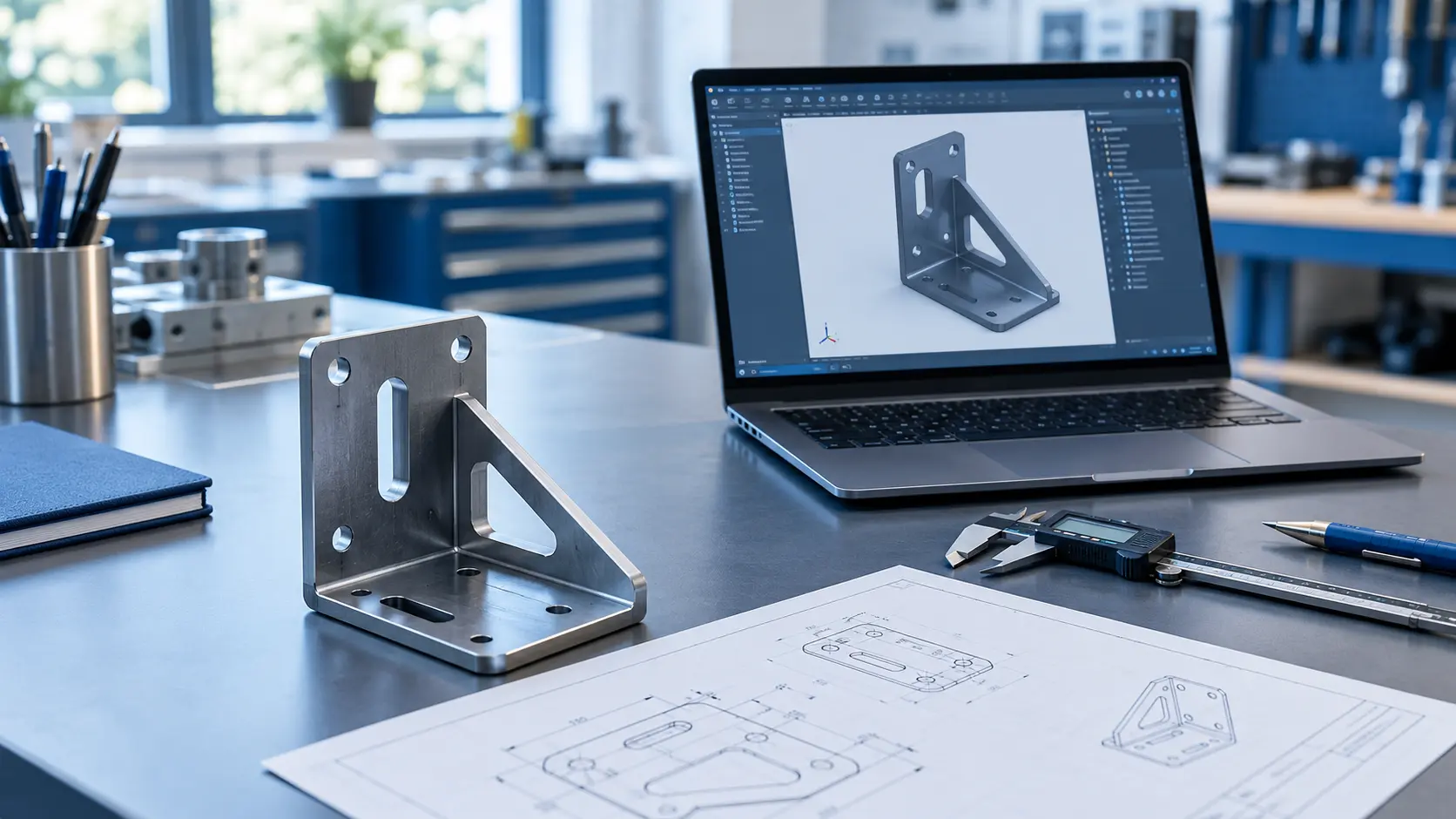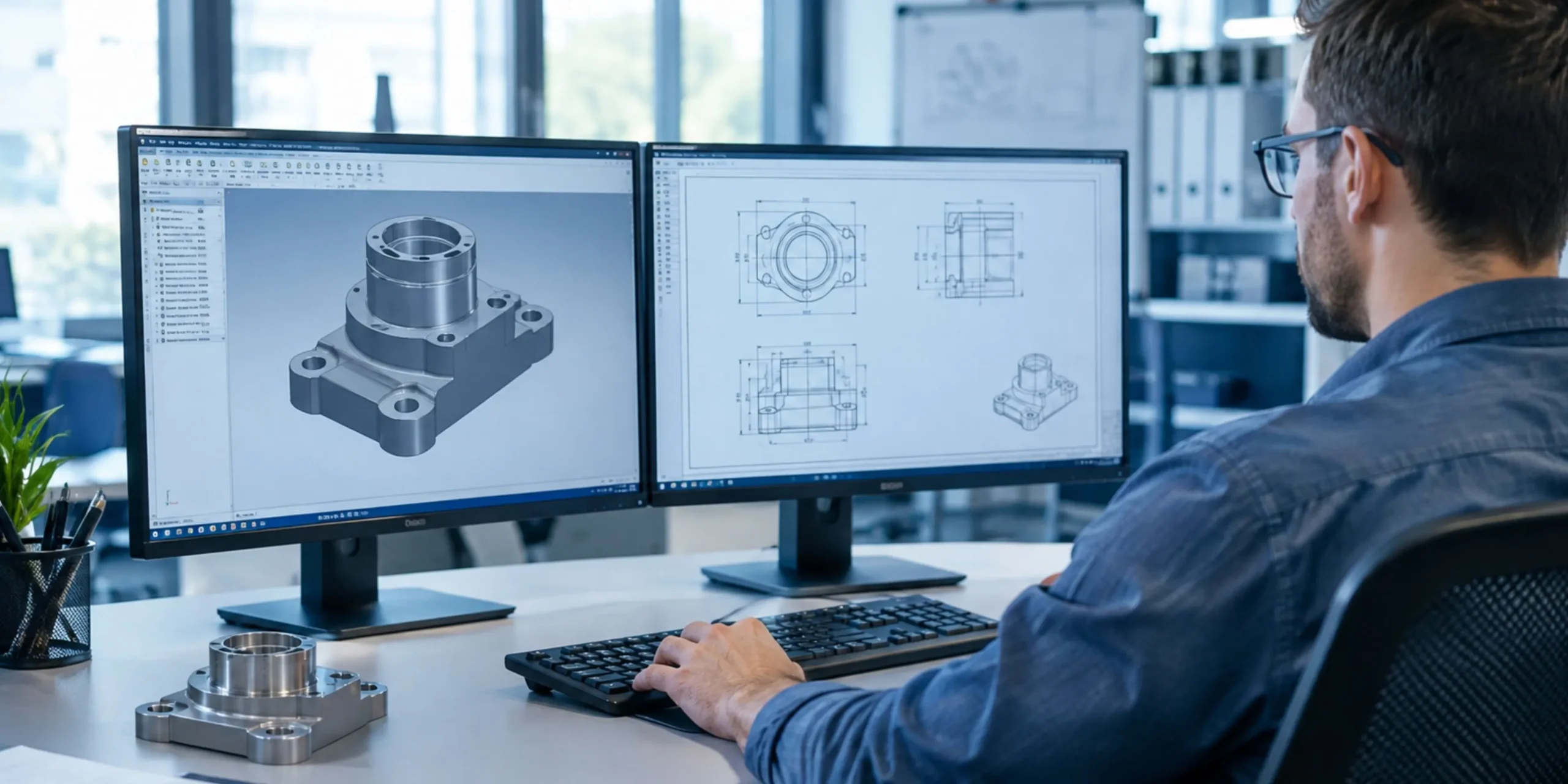


Engineering and construction firms across the country are dealing with a problem that will not fix itself anytime soon: there simply are not enough trained drafters to go around. Experienced professionals are retiring, fewer students are entering technical drafting programs, and project deadlines keep piling up. This is exactly where CAD Drafting Services make a real difference. They give companies fast access to trained technicians who can step into projects without months of hiring delays, so deadlines stay on track even when the local talent pool runs thin.
This article looks at why the drafting shortage exists, how outsourced CAD support solves the problem, and what businesses should look for when they choose a drafting partner.
The Growing Skilled Drafting Shortage
The drafting profession is aging faster than it is being replaced. Many senior drafters are approaching retirement, and vocational programs have not produced enough new graduates to fill the gap. At the same time, construction and manufacturing output keeps growing, which means demand for drafting work keeps climbing too.
Small and mid-sized firms feel this pressure the most. Large companies can often absorb a slow hiring process, but smaller teams cannot afford to leave a drafting seat empty for three or four months. A single vacancy can delay permits, push back construction schedules, and frustrate clients who expected faster turnaround.
Why Traditional Hiring Falls Short
Posting a job and waiting for the right candidate used to work well. It does not work well anymore. Recruiters now report that open drafting roles sit unfilled for weeks, and many applicants lack experience with the specific software or building codes a project requires. Training a new hire from scratch adds even more time before that person becomes productive.
Because of this, firms are rethinking how they staff their drafting departments. Instead of relying only on full-time hires, many now blend in-house teams with external support.
Why Businesses Are Turning to Outsourced CAD Support
Outsourcing drafting work is not a new idea, but it has become far more common as the shortage has worsened. Companies that once handled every drawing internally now send overflow work, or even entire projects, to outside teams that specialize in CAD production.
This shift happens for a few clear reasons:
- Projects can start immediately instead of waiting for a new hire to onboard.
- Firms pay for drafting hours only when they need them, which controls labor costs.
- Access to drafters with different software skills and industry experience widens without adding permanent headcount.
- In-house engineers and architects get more time for design work instead of routine drawing production.
A well-run outside team can plug directly into existing workflows. Files move back and forth through shared systems, communication happens on the client’s schedule, and the final drawings meet the same standards the firm already follows.
How Drafting Staffing Agencies Fill the Gap
While outsourced CAD production handles project-based work, some businesses need something closer to a full staffing solution. This is where Drafting Staffing Agencies come in. Rather than assigning a project to an external team, staffing agencies place a dedicated drafter (or several) directly into a company’s workflow, often working the same hours and using the same tools as everyone else on the team.
This model works well for firms that need long-term support but are not ready to commit to a full-time salary, benefits package, and the overhead that comes with a traditional hire. The staffing agency handles recruitment, vetting, and administrative details, while the client company keeps full control over daily tasks and project direction.
A Flexible Middle Ground
Staff leasing through a drafting agency gives businesses room to scale up or down as project volume changes. During a busy season, a firm might lease two or three additional drafters. When things slow down, that arrangement can wind down too, without the complications of layoffs. This flexibility is one reason staffing partnerships have grown so quickly among architecture, engineering, and construction firms.
Many of the design and coordination issues that come up during a shortage, things like inconsistent drawing standards or mismatched software versions, get resolved once a company works with a qualified partner. A closer look at these problems and how outsourced teams solve them appears in this related article on common design challenges, which is worth reading for firms weighing their options.
Benefits Beyond Just Filling Seats
Bringing in outside drafting support does more than solve a short-term staffing gap. It changes how a company operates day to day.
Faster Project Turnaround
When drafting capacity is not tied to how many people sit in an office, projects move faster. Teams can assign work around the clock across time zones, which shortens the time between design intent and finished drawings.
Access to Specialized Skills
Not every in-house team has deep experience with every discipline. Some projects need structural steel detailing, others need MEP coordination, and others need civil site layouts. External drafting partners usually bring specialists across these areas, so firms do not need to train someone new for every unusual project type.
Cost Predictability
Full-time employees come with fixed costs regardless of workload. Outsourced drafting scales with actual project volume, which gives finance teams a clearer picture of spending and reduces the risk of paying for idle capacity during slow periods.
Reduced Burnout on Existing Staff
When a shortage hits, the drafters who remain often absorb the extra workload. This leads to burnout, mistakes, and eventually turnover, which makes the shortage worse. Bringing in outside support takes pressure off the existing team and helps retain the people a company already trained.
Choosing the Right CAD Drafting Partner
Not every drafting provider offers the same level of quality, so businesses should evaluate a few things before signing on.
- Software compatibility. The partner should work fluently in the same CAD platforms the company already uses, whether that is AutoCAD, Revit, MicroStation, or another tool.
- Industry experience. A team that has drafted similar project types, residential, commercial, industrial, understands the codes and conventions specific to that work.
- Communication process. Time zone differences and file transfer methods matter. A good partner sets clear expectations for turnaround and revision cycles.
- Quality control steps. Ask how drawings get checked before delivery. A solid QC process catches errors before they reach a client or contractor.
- Scalability. The provider should be able to add or reduce drafting support as project needs shift, without long contract lock-ins.
Taking time to vet a partner properly pays off. A rushed decision to fix a short-term staffing gap can create long-term quality problems if the partner is not a good fit.
Final Thoughts
The skilled drafting shortage is not going away soon, and businesses that wait for the hiring market to fix itself will keep losing time on delayed projects. Working with an experienced provider of CAD Drafting Services gives firms a practical way to keep projects moving, control costs, and access specialized skills without the long hiring cycles that traditional recruitment demands.
Whether a company needs project-based drafting support or a longer-term staffing arrangement, the right partner can close the gap quickly and reliably. Firms that want to see how this approach works in practice can follow Keyway Solutions on LinkedIn for updates, case studies, and insights on how outsourced drafting teams are helping businesses stay on schedule despite the ongoing talent shortage.