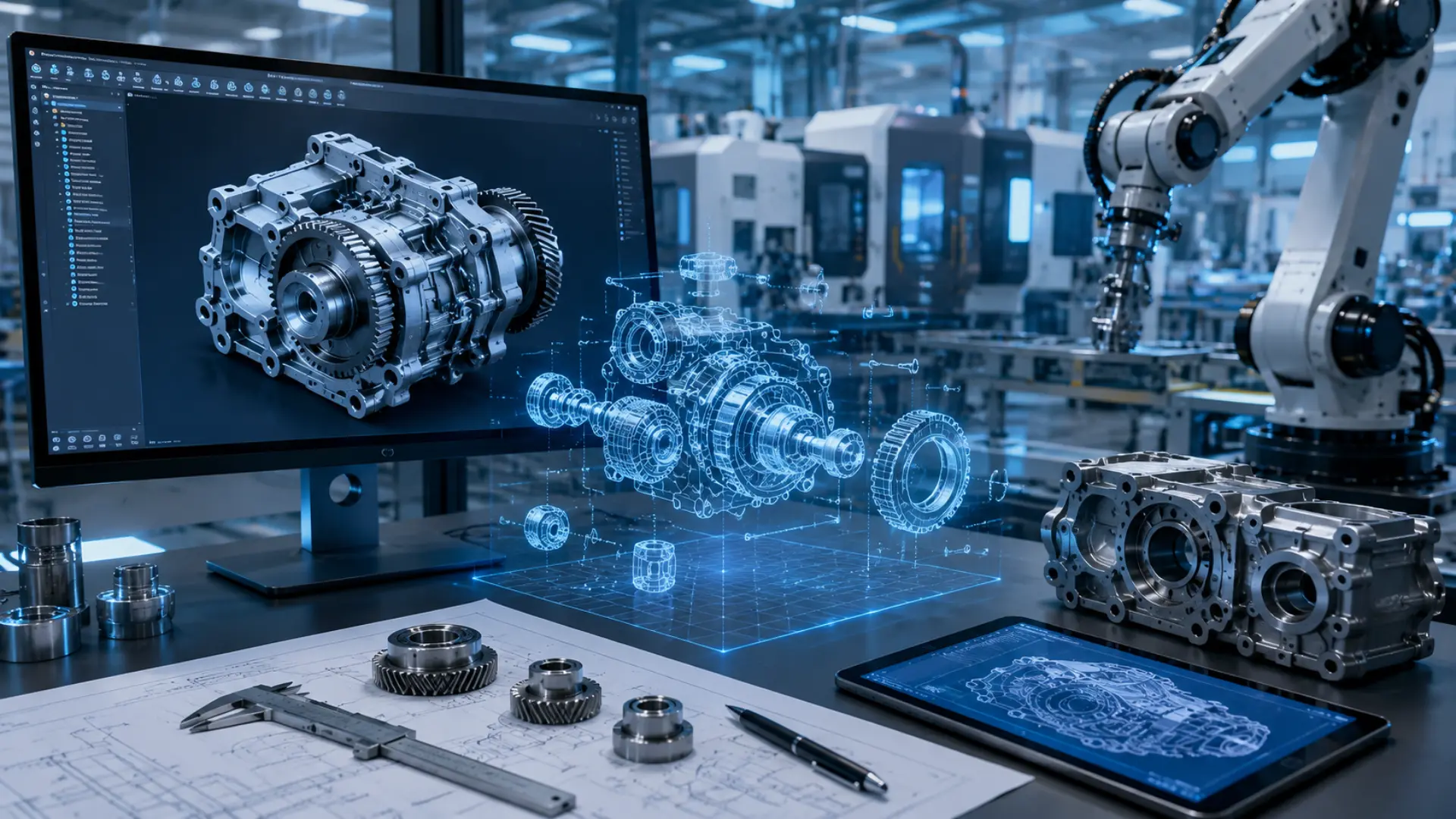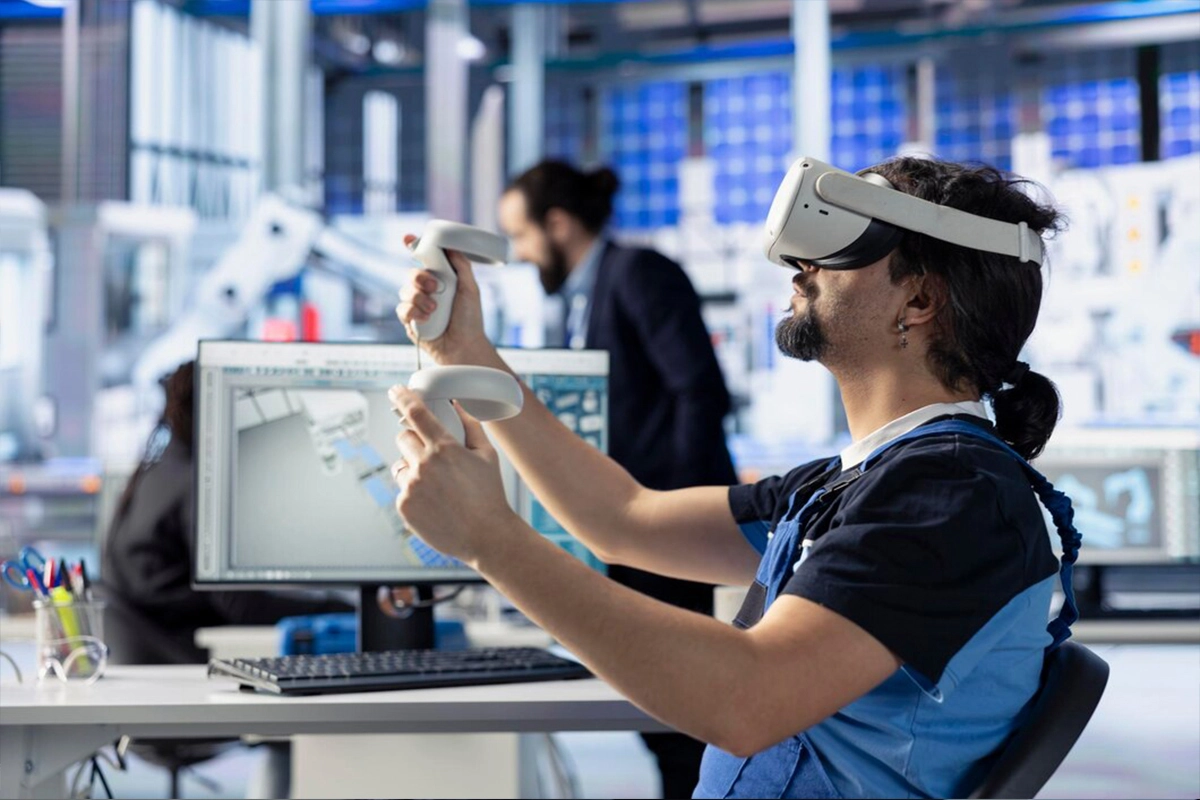

When a part breaks and the original drawings are nowhere to be found, or when a legacy machine needs a modern replacement component, engineers turn to one proven method to bridge the gap. Mechanical Reverse Engineering lets teams recreate accurate, manufacturable models from physical parts, even when no CAD data exists. This process has become a cornerstone of product redesign, helping companies extend the life of aging equipment, improve outdated designs, and speed up development timelines without starting from a blank page.
In this article, we will walk through what mechanical reverse engineering actually involves, why it matters for product development, and how the right approach can save both time and money.
What Is Mechanical Reverse Engineering?
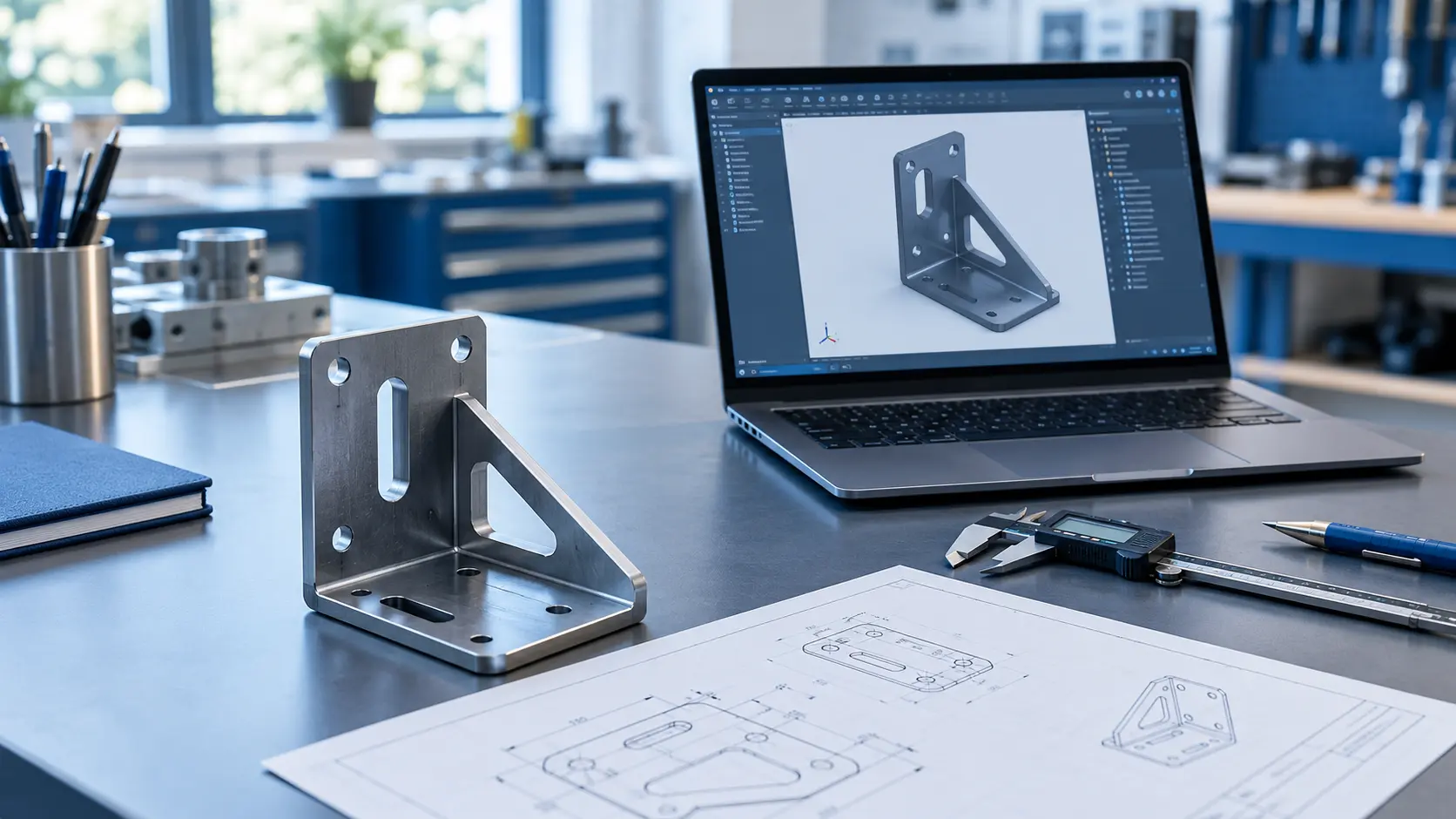
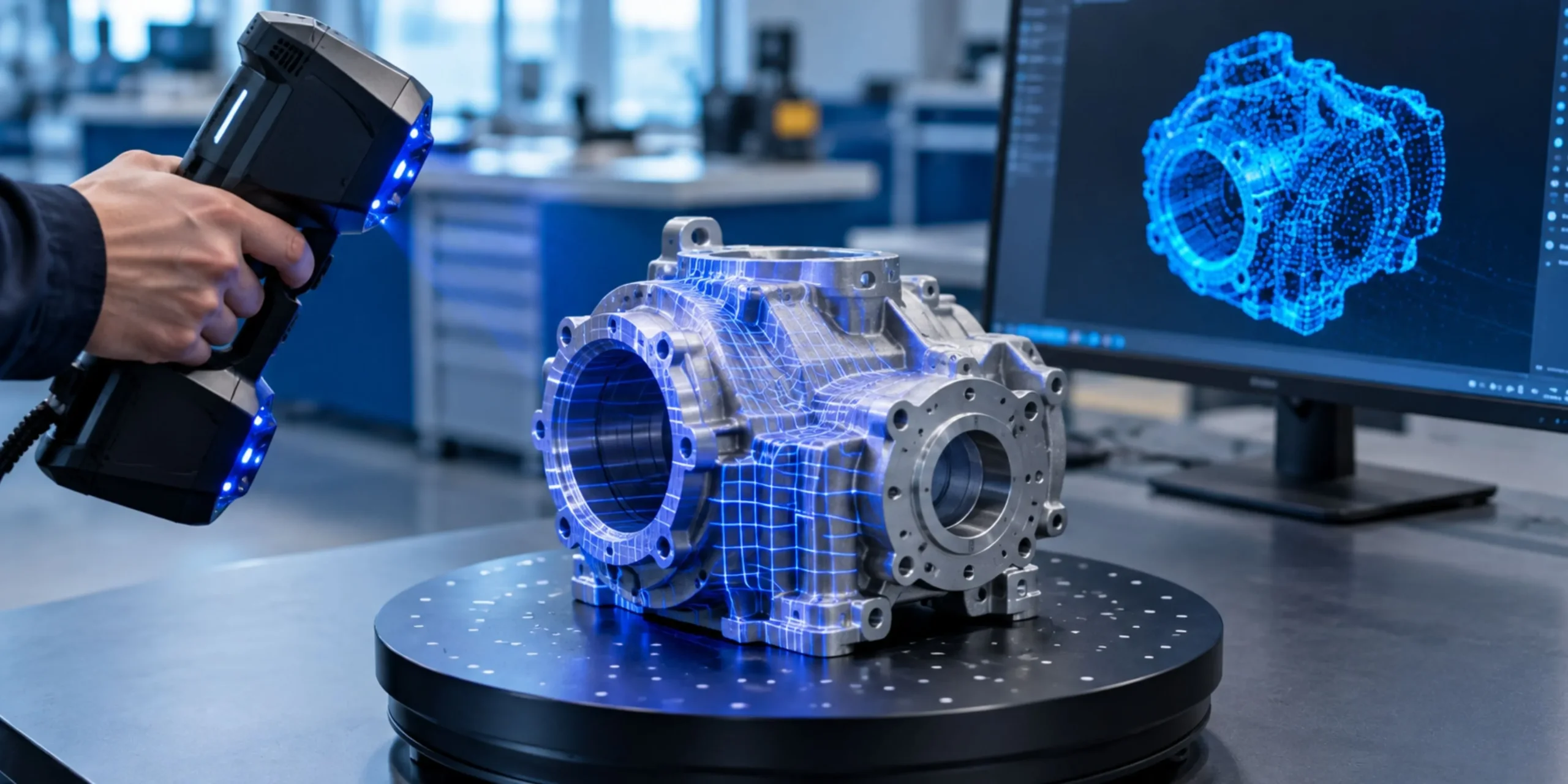
Mechanical reverse engineering is the process of examining an existing physical object and rebuilding it into a digital, editable format, usually a CAD model. Engineers capture the geometry of a part using tools like 3D scanners, CMMs (coordinate measuring machines), or laser scanning equipment. They then convert that raw data into a usable design file that can be edited, analyzed, or manufactured again.
This differs from simply copying a part. A skilled reverse engineering team studies the function of each component, identifies design intent, and rebuilds the model with proper tolerances and features. The goal is not just to recreate the shape, but to understand why the part was designed that way in the first place.
Why Manufacturers Turn to Reverse Engineering for Redesign
Companies rarely choose reverse engineering just for the sake of it. Usually, a specific business problem drives the decision. A supplier discontinues a critical component. A machine from decades ago still runs on the factory floor, but nobody has the original files. A competitor’s product performs better, and the engineering team wants to understand what makes it work.
Reverse engineering solves these problems by giving teams a starting point instead of forcing them to design from scratch. Here are some of the most common reasons manufacturers rely on it:
- Original design files are lost, outdated, or incompatible with current software
- A part is obsolete and no longer available from the original manufacturer
- Engineers need to improve or modernize an existing product
- A company wants to validate a competitor’s part or benchmark performance
- Legacy equipment requires replacement parts that are no longer in production
Each of these scenarios points to the same underlying need: accurate data about a physical object that currently exists only in the real world, not in a digital file.
The Reverse Engineering Process, Step by Step
Reverse engineering follows a structured workflow. Skipping steps or rushing the process usually leads to inaccurate models, which can cause fit and function problems later during manufacturing.
3D Scanning and Data Capture
The process starts with capturing the physical geometry of the part. Depending on the size, complexity, and required accuracy, engineers might use structured light scanners, laser scanners, or CT scanning for internal features. This step produces a point cloud or mesh, a dense collection of data points that represents the surface of the object.
Accuracy matters here more than anywhere else in the process. If the scan data is off, every downstream step inherits that error. That is why experienced teams calibrate their equipment carefully and choose the right scanning method for each specific part geometry.
CAD Reconstruction
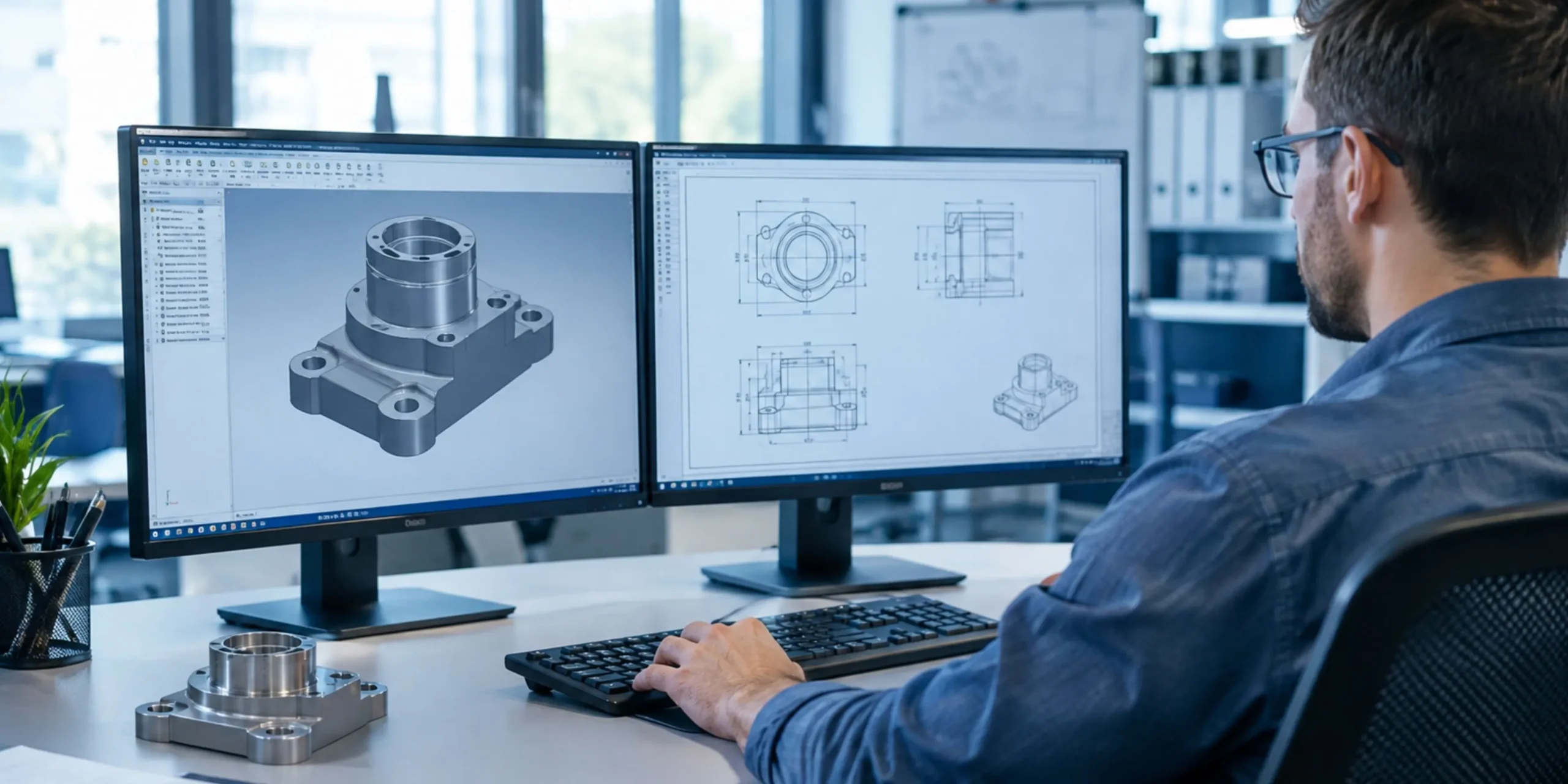
Once the scan data is captured, engineers convert the point cloud or mesh into a parametric CAD model. This step requires real design skill, not just software knowledge. The engineer has to interpret the scan data and rebuild features like fillets, holes, threads, and mounting points so the model behaves like a proper engineering file rather than a rigid copy of raw geometry.
This is also where design intent comes into play. A good reverse engineering partner does not just trace the surface. They recognize symmetry, standard hole patterns, and functional relationships between features, then rebuild the model accordingly.
Validation and Tolerance Analysis
After the CAD model is built, engineers check it against the original part. They overlay the new model onto the scan data to confirm dimensional accuracy. They also apply appropriate tolerances based on the part’s function, since a decorative bracket and a precision-fit bearing housing require very different tolerance standards.
Teams that try to handle reverse engineering in-house without the right tools often overlook this validation step. Skipping it can lead to parts that look correct but fail to mate properly with mating components. For a deeper technical breakdown of the tools used at each stage, this guide to reverse engineering tools for mechanical product development walks through the equipment and software options in more detail.
Key Benefits of Reverse Engineering Services
Working with experienced Reverse Engineering Services brings advantages that go beyond simply recreating a missing CAD file. Companies that invest in professional reverse engineering typically see faster development cycles, since engineers do not start from zero. They also reduce the risk of costly redesign errors because the new model is grounded in real, measured data rather than assumptions.
Cost savings show up in a few different ways too. Sourcing obsolete parts from third-party suppliers can be expensive and unreliable, while reverse engineering allows a company to manufacture replacement components on demand. Product improvement becomes easier as well, because once a part exists as an editable CAD model, engineers can adjust materials, tolerances, or geometry to fix known weaknesses.
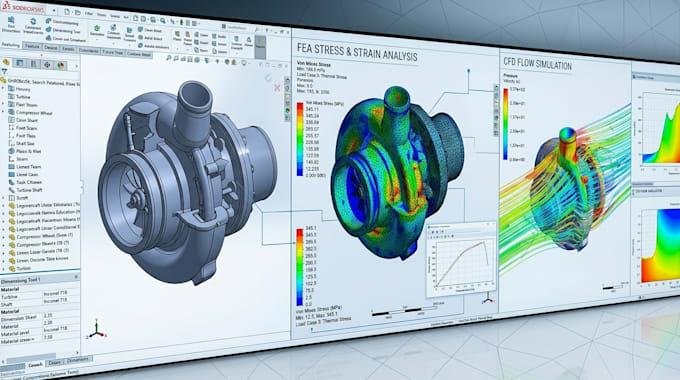
Quality control benefits significantly from this process too. When a physical part is digitized accurately, engineers can run simulations, stress tests, and fit checks long before committing to production. This reduces the number of physical prototypes needed and catches design flaws early, when they are still cheap to fix.
Common Applications Across Industries
Mechanical reverse engineering shows up in a wide range of industries, each with its own specific challenges.
In aerospace, engineers use reverse engineering to recreate aging aircraft components that no longer have active suppliers. The automotive sector relies on it for both aftermarket parts and competitive benchmarking. Industrial equipment manufacturers use reverse engineering to keep decades-old machinery running by producing replacement parts on demand. Medical device companies often use it to customize implants or prosthetics based on scans of a patient’s anatomy. Consumer product companies turn to reverse engineering when they want to modernize a legacy design without losing what made the original successful.
Each of these applications shares one common thread. Physical parts need to be translated into digital form accurately, so that engineering teams can act on real data instead of guesswork.
Choosing the Right Reverse Engineering Partner
Not every reverse engineering provider delivers the same level of accuracy or design understanding. Before choosing a partner, it helps to ask a few key questions.
What scanning technology does the team use, and how does it match the required accuracy for your part? Does the provider rebuild fully parametric CAD models, or do they just hand over raw mesh data? How do they validate their models against the original geometry? Can they demonstrate experience with parts similar to yours in size, material, and complexity?
A strong reverse engineering partner treats the process as engineering work, not just digitization. They ask questions about how the part functions, what tolerances matter most, and where the design might need improvement. This kind of collaborative approach produces models that are actually usable for manufacturing, rather than files that look correct but fall apart under real-world tolerances.
Final Thoughts
Mechanical reverse engineering gives product teams a practical path forward when original design data does not exist or no longer serves current needs. Whether the goal is replacing an obsolete part, improving an existing design, or building a completely new product based on proven geometry, the accuracy of the reverse engineering process determines the success of everything that follows.
Choosing an experienced team that combines precise scanning technology with genuine engineering judgment makes the difference between a model that merely looks right and one that performs reliably in production. If your team is exploring reverse engineering services for an upcoming redesign or development project, working with specialists who understand both the technical and functional side of the process will save time and reduce risk down the line.
To stay updated on engineering insights, manufacturing trends, and reverse engineering case studies, follow us on LinkedIn for regular updates from our team.