
Every design team runs into the same wall at some point. Deadlines shrink, drawings pile up, and small errors turn into expensive delays. A reliable CAD Drafting Service fixes this problem at the root by giving teams accurate, ready-to-use drawings without the usual back and forth. Instead of chasing revisions or fixing mistakes late in the process, engineers and architects get clean, error-free files that move projects forward. This article looks at the most common design challenges companies face and how professional drafting support solves each one.
Why Design Challenges Slow Down Projects
Design problems rarely show up all at once. They creep in through small errors, missed details, or drawings that do not match the final build. A single wrong measurement can delay a project by weeks. Poor communication between departments can send a design in the wrong direction before anyone notices.
Most of these issues trace back to one root cause: drafting work that was rushed, handled by inexperienced staff, or done without the right software knowledge. Professional drafting teams solve this by bringing structure, consistency, and technical skill to every drawing they touch.
Design teams also feel pressure from tighter budgets and shorter timelines. Clients expect fast turnaround without sacrificing accuracy, and that combination is hard to deliver without dedicated drafting support. When drafting sits on the side desk of an already busy engineer, quality naturally drops. This happens not because the engineer lacks skill, but because drafting requires focused attention that a packed schedule rarely allows.
Inaccurate Measurements and Dimensioning Errors
Dimensioning mistakes cause more project delays than almost anything else. A missed decimal point or an incorrect tolerance can force an entire batch of parts to be scrapped. Manufacturing teams then lose time reordering materials and rescheduling production.
Skilled drafters check every dimension against design intent and manufacturing standards. They catch errors before drawings reach the shop floor, which protects both budget and schedule. This level of accuracy is hard to maintain in-house when staff juggle multiple projects at once.
The Cost of Small Errors
A single dimensioning error can ripple through an entire supply chain. Vendors quote based on drawings, so any inaccuracy leads to wrong material orders, wasted machining time, and frustrated clients. Professional drafters build in quality checks at every stage, so these errors get caught early instead of after production has already started.
Miscommunication Between Design and Engineering Teams
Design intent often gets lost between the person who sketches an idea and the engineer who has to build it. Sketches on a napkin or vague verbal instructions leave too much room for interpretation. When drawings are unclear, engineers guess, and guessing leads to rework.
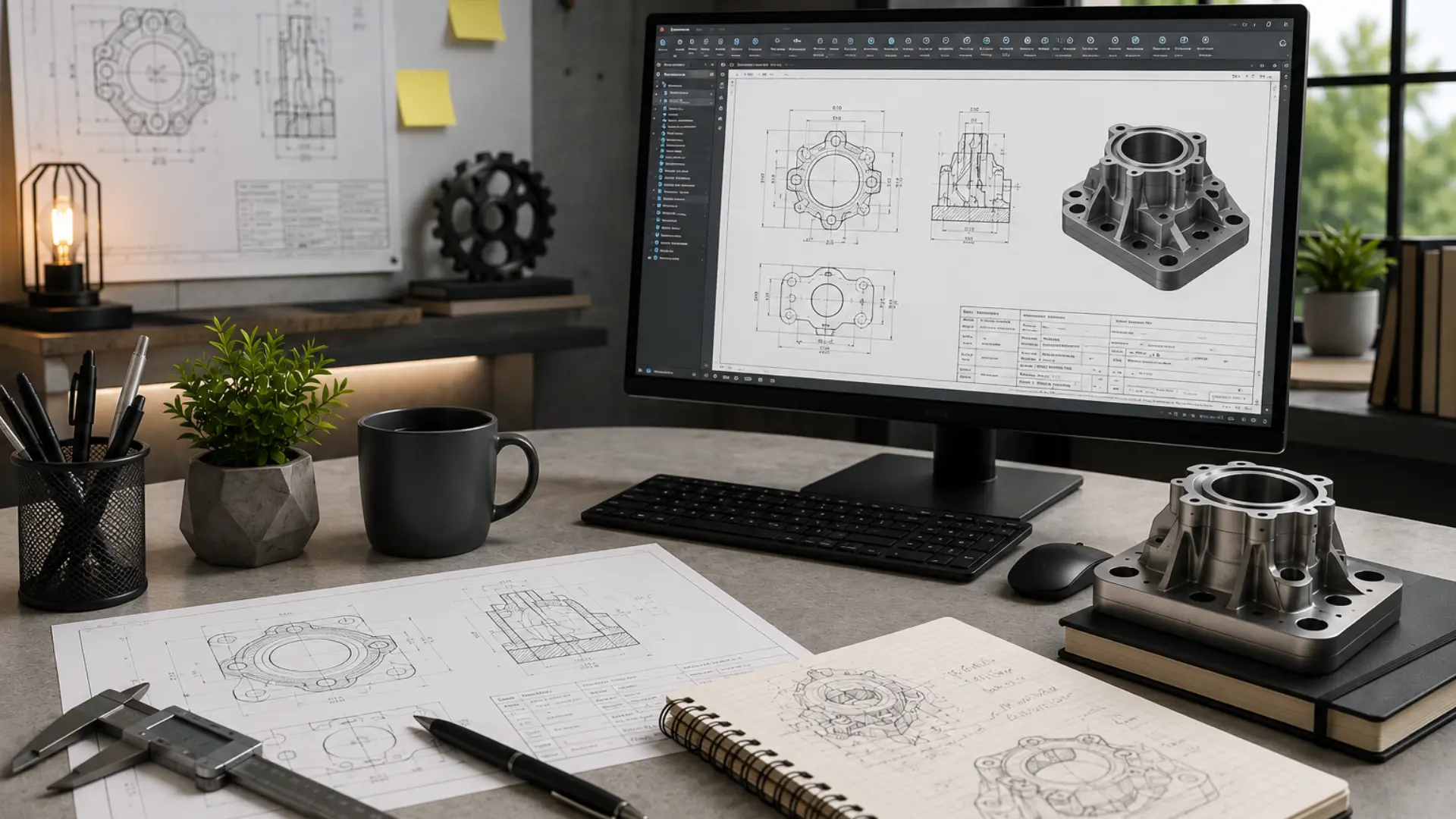
A professional CAD drafting service closes this gap. Drafters translate rough concepts into precise, standardized drawings that both design and engineering teams can read the same way. Clear callouts, proper layering, and consistent formatting remove the guesswork, so everyone works from the same source of truth.
Slow and Inconsistent Manual Drafting
Manual drafting, or even basic in-house CAD work without dedicated specialists, tends to be slow. Drawings pile up because staff are pulled between design tasks, client meetings, and drafting duties. Deadlines slip, and quality suffers when people rush to catch up.
Outsourced drafting teams work faster because drafting is their only focus. They know the shortcuts, templates, and workflows that shave hours off every drawing set. This speed does not come at the cost of quality since experienced drafters still follow strict review processes before sending files back to the client.
Converting Rough Concepts into Precise 2D and 3D Models
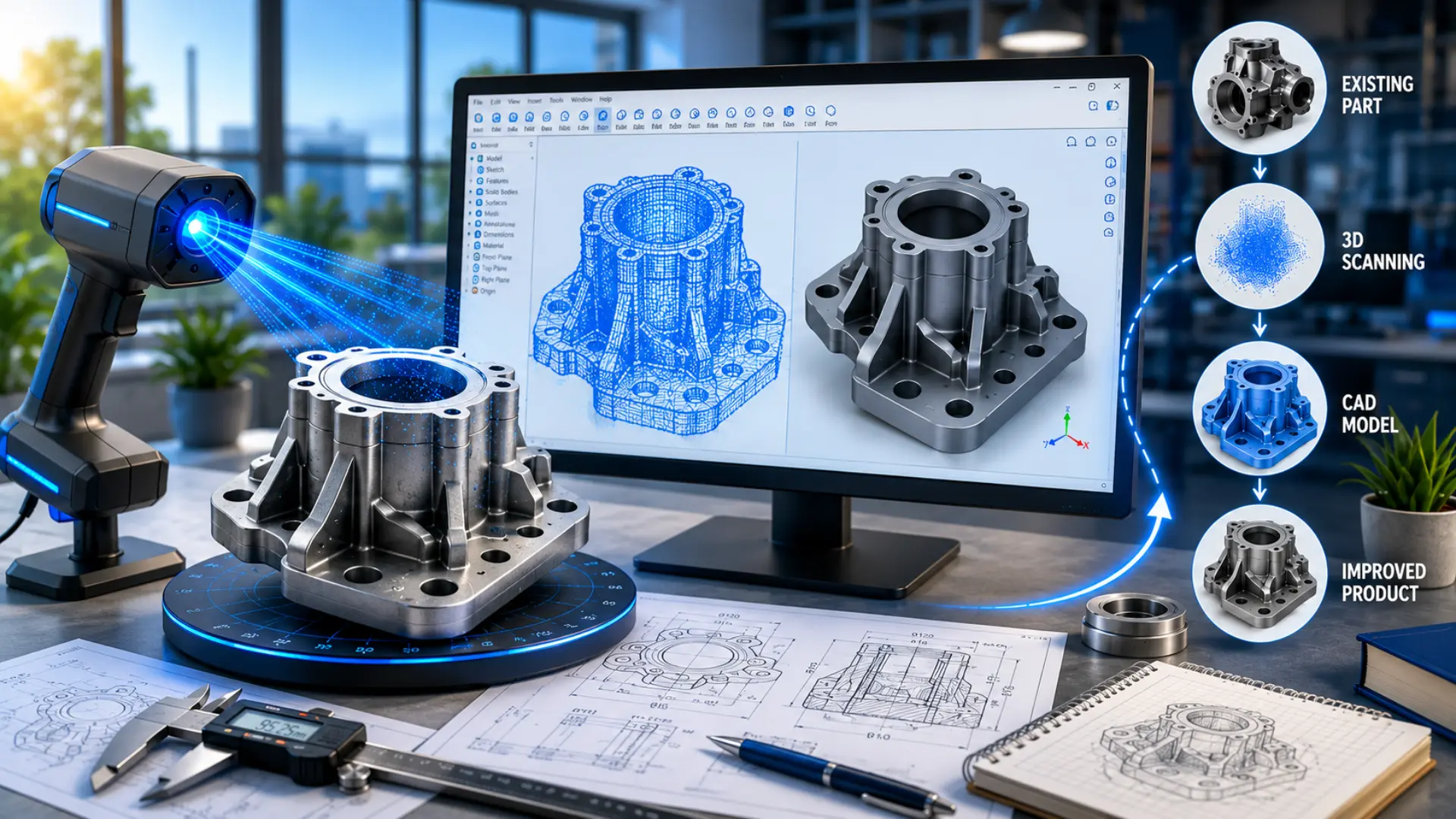
Turning a rough sketch or an old paper drawing into a usable digital model is one of the toughest parts of any design project. Many companies still have legacy drawings from decades ago that need to be rebuilt from scratch. Doing this correctly requires both drafting skill and deep software knowledge.
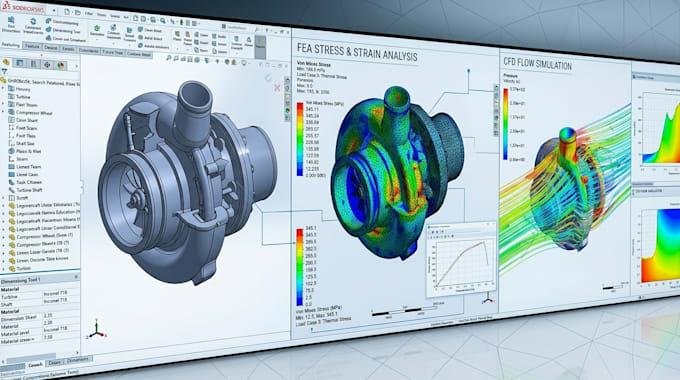
This is where 2D Drafting in Solidworks becomes valuable. Solidworks allows drafters to build precise, editable 2D layouts that later feed into 3D modeling, simulation, and manufacturing workflows. A professional team can take a hand sketch, an outdated blueprint, or a rough concept and turn it into a fully dimensioned, production-ready drawing within days rather than weeks.
Legacy Drawing Conversion
Older companies often store decades of paper drawings or scanned PDFs with no editable source files. When a design needs updating, someone has to redraw it from scratch. Professional drafters specialize in this kind of conversion work. They rebuild legacy drawings into modern CAD formats while preserving original dimensions and design intent, so nothing gets lost in translation.
Maintaining Design Standards Across Multiple Projects
Companies that run several projects at once often struggle to keep drafting standards consistent. One project might use a different layer naming convention than another. Title blocks, line weights, and annotation styles can vary from drawing to drawing, which creates confusion when files move between teams or contractors.
A dedicated drafting service applies the same standards across every project. Templates, naming conventions, and quality checklists stay consistent no matter how many drawings pass through the pipeline. This consistency matters most when drawings need to be shared with outside vendors, contractors, or regulatory bodies that expect a certain format.
Scaling Drafting Work for Complex or Large Projects
Large projects generate huge volumes of drawings in short windows. An in-house team sized for normal workloads gets overwhelmed the moment a big project lands. Hiring temporary staff takes time, and training them on internal standards takes even longer.
Outsourced drafting teams scale up or down based on project needs. A company can send a large batch of drawings during a busy season and scale back once the workload normalizes. This flexibility saves money compared to maintaining a large in-house team year-round, and it keeps quality steady even when volume spikes.
Seasonal industries feel this benefit the most. Construction firms often see a surge of bids in spring, while manufacturers may face a rush of orders around new product launches. Building an in-house team large enough to handle peak demand means paying for idle capacity during slower months. A flexible drafting partner removes that trade-off entirely, since companies only pay for the work they actually need.
Choosing the Right Drafting Partner
Not every drafting provider delivers the same level of quality. Some outsource work to junior staff with little oversight, which brings back the same errors a company was trying to avoid. Others lack experience with specific industries, so drawings miss requirements that matter for manufacturing, construction, or compliance.
Before hiring a drafting partner, teams should ask a few direct questions. Does the provider have experience in the relevant industry? Do they offer revision support after delivery? Can they handle both new designs and legacy drawing conversions? A provider that answers yes to all three saves companies from switching vendors mid-project.
Software compatibility matters as well. A provider fluent in the same CAD platforms a company already uses avoids file conversion issues and keeps drawings editable on both ends. This small detail prevents a surprising number of headaches later in the project.
How Professional Drafting Solves These Problems Together
Each challenge listed above connects to the next. Poor communication leads to dimensioning errors. Inconsistent standards make legacy conversions harder. Slow manual processes make scaling nearly impossible. A professional drafting partner addresses all of these issues at once rather than patching them one at a time.
Experienced drafters bring standardized workflows, software expertise, and quality control checks that in-house teams often cannot maintain alongside their regular workload. The result is fewer errors, faster turnaround, and drawings that hold up through manufacturing, construction, or regulatory review.
Companies that adopt professional drafting support also free up their engineers and designers to focus on higher-value work. Instead of spending hours on repetitive drawing tasks, internal teams can concentrate on innovation, problem solving, and client relationships while drafting specialists handle the technical documentation.
Final Thoughts
Design challenges are a normal part of any project, but they do not have to slow things down. Dimensioning errors, miscommunication, slow manual work, inconsistent standards, and scaling problems all have one common solution: bringing in a team that specializes in drafting.
KEYWAY works with companies across industries to solve exactly these problems, combining technical drafting skill with fast turnaround and consistent quality. Whether a project needs legacy drawing conversion, precise 2D layouts, or full-scale drafting support for a complex build, the right partner makes the difference between a project that stalls and one that ships on time. For updates, project examples, and industry insights, follow along on LinkedIn.