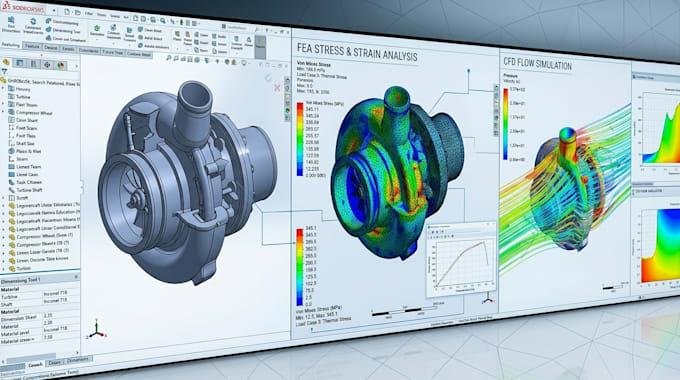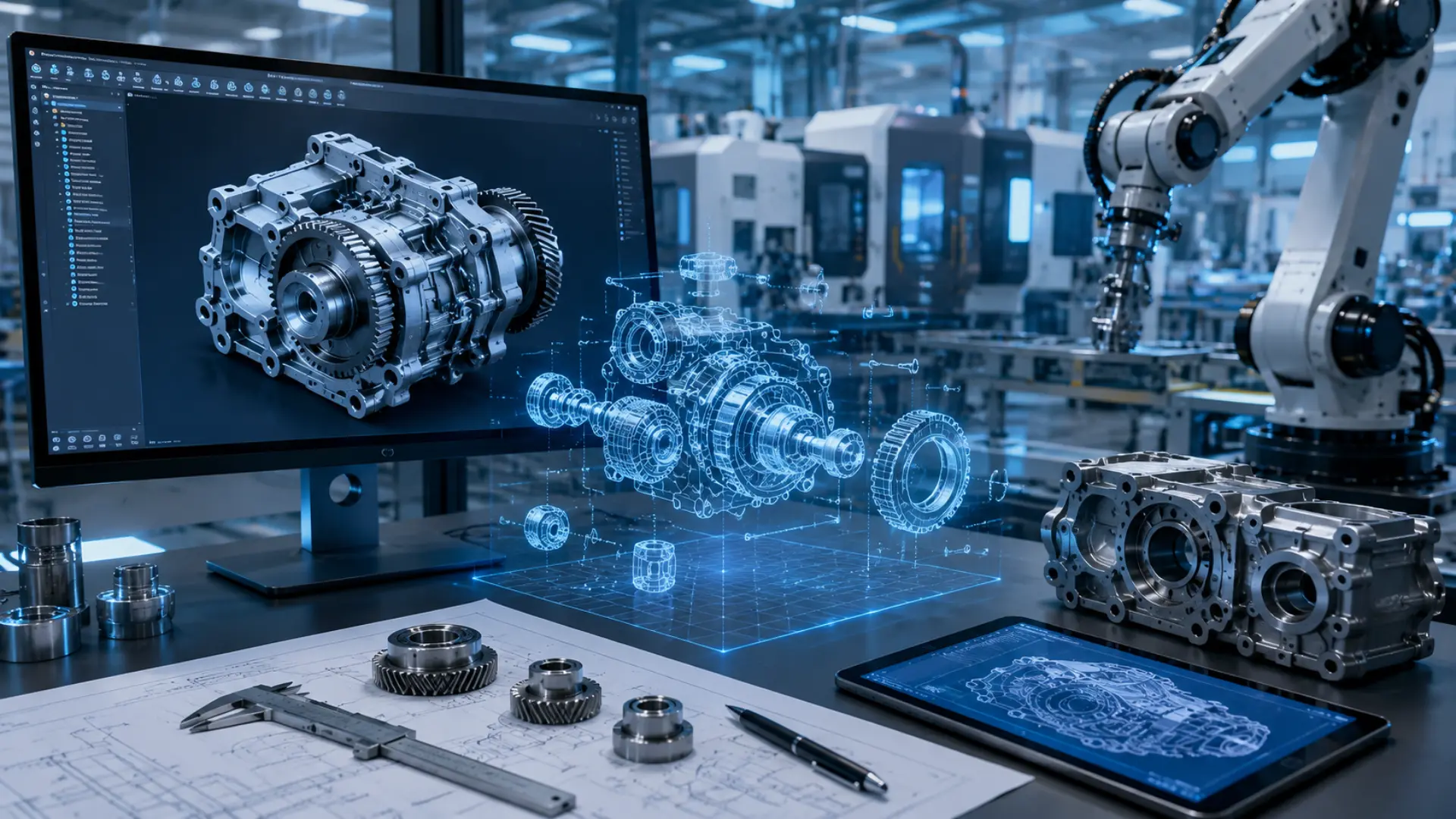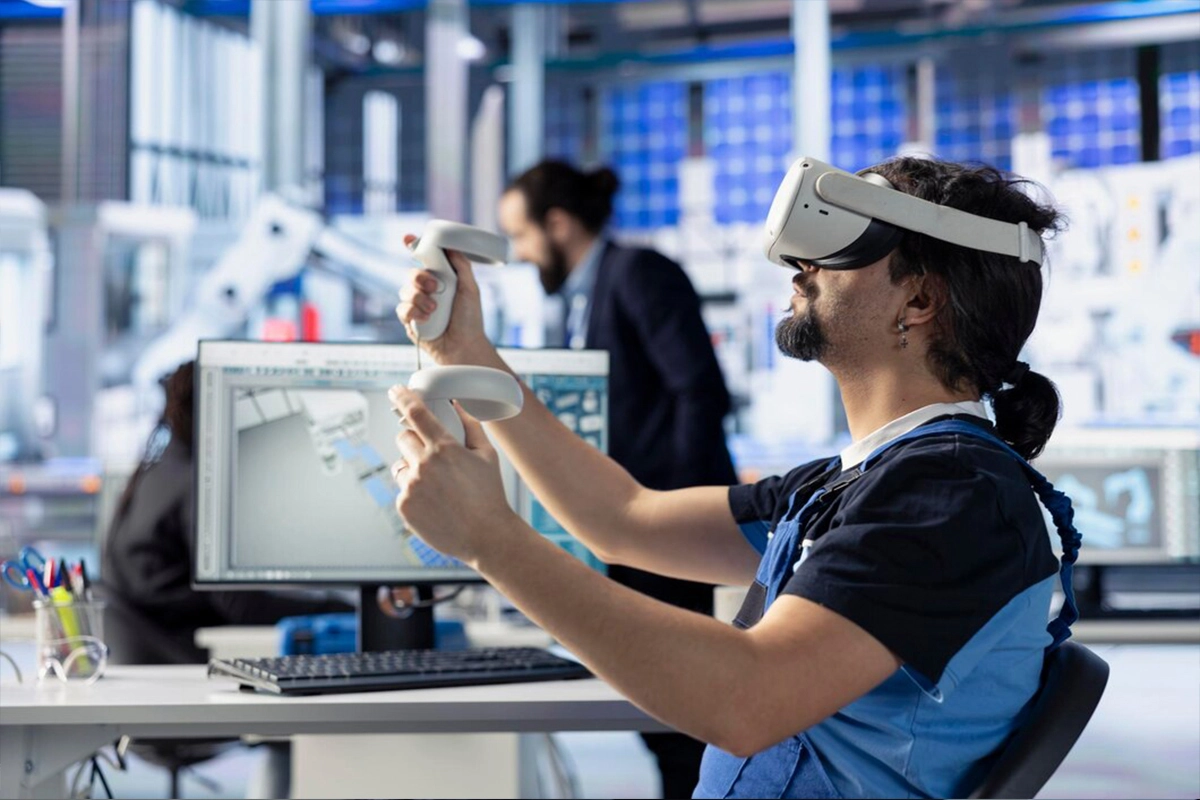

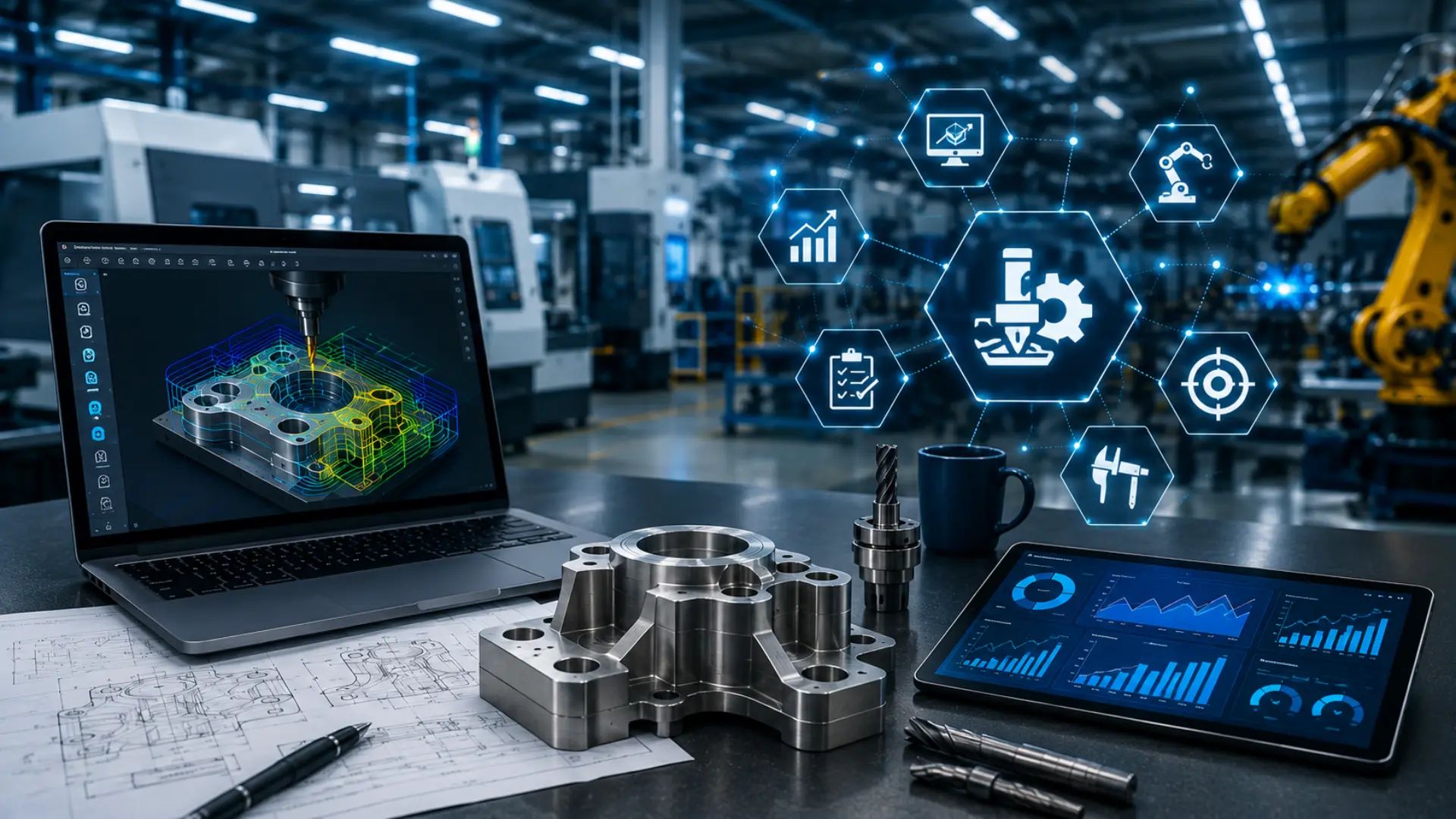
Manufacturing teams face constant pressure to deliver parts faster without sacrificing quality. An Inventor CAM Service gives engineers a direct path from 3D design to machine-ready toolpaths, all inside one familiar workspace. This article explains what the service does and why manufacturers rely on it. It also shows how the right setup cuts costs and speeds up production, whether you run a small job shop or a large production floor.
What Is Inventor CAM Service?
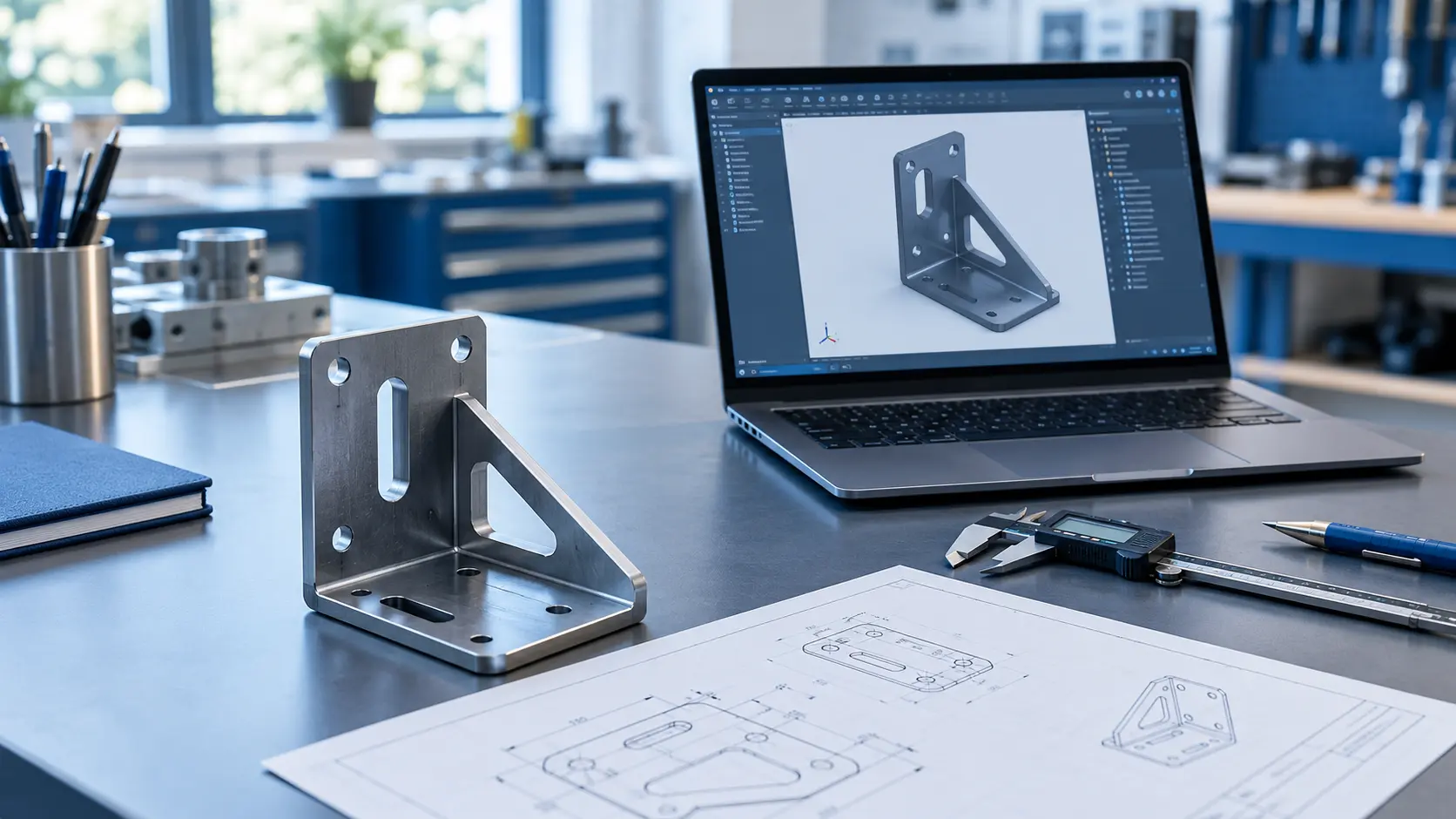
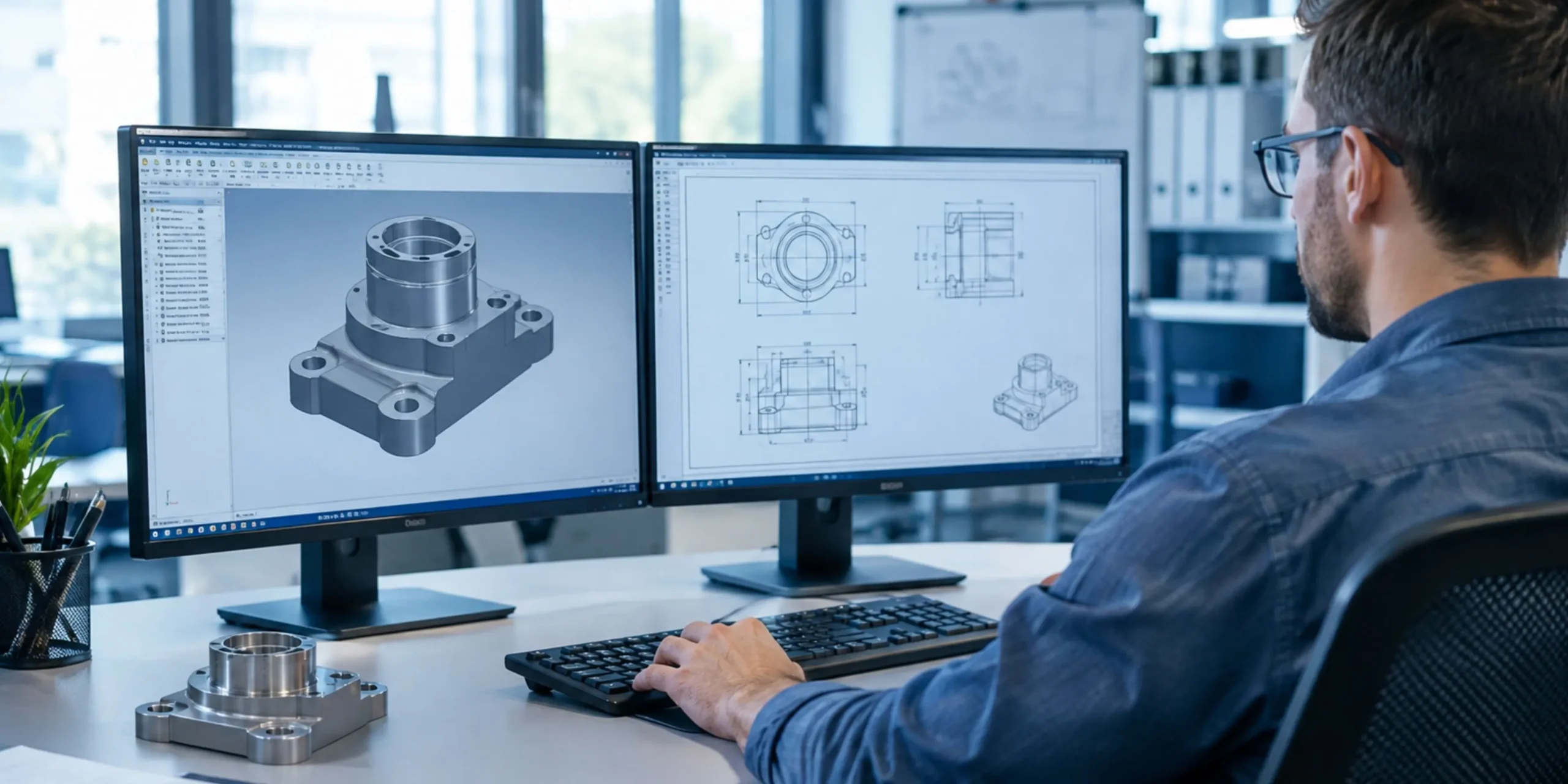
Inventor CAM Service is a manufacturing tool built directly into Autodesk Inventor. Engineers move from design to machining without exporting files to a separate program. The software reads native Inventor models, so any design change updates the toolpath automatically. This tight connection between design and manufacturing removes a common source of shop floor errors.
Teams using CAM Service can programme mills, lathes, and multi-axis machines from a single workspace. The platform supports 2.5-axis, 3-axis, and 5-axis milling, along with turning operations. Because everything lives inside Inventor, operators skip the file conversion step that often causes lost data or broken geometry. More than 70% of advanced manufacturing facilities worldwide now use some form of integrated CAM software for their CNC operations.
Why CAM Service Matters for Modern Manufacturers
Manufacturers face steady pressure to deliver parts faster and at lower cost. Skilled machinists remain hard to find – U.S. manufacturing had roughly 495,000 job openings as of January 2026, up 11% year-over-year, with CNC programmers and machinists among the hardest roles to fill. Customers expect shorter lead times each year. A strong CAM Service addresses these pressures head-on.
The software cuts programming time through associative models. When a part changes, the CAM strategy updates instead of restarting from scratch. This single feature saves hours during every revision cycle, especially on complex assemblies with frequent design tweaks.
Quality improves too. Built-in simulation catches collisions and programming errors before a machine ever runs a part. Shops that add toolpath simulation and verification before cutting commonly report scrap rate reductions of up to 30%. Fewer surprises on the floor also mean operators spend less time troubleshooting and more time producing finished parts.
Customer expectations keep rising as well. Buyers want shorter lead times, tighter tolerances, and lower prices all at once. Manufacturers stuck with outdated, disconnected workflows struggle to meet these demands. Shops using an integrated CAM Service adjust and deliver much faster.
Inventor CAM Service: The Data
The advantages of integrated CAM aren’t just anecdotal. Here’s what current industry benchmarking shows:
| 30–50% Reduction in CNC programming time from automated, associative CAM workflows versus manual re-programming. Source: Business Research Insights, CAM Software Market Report (2026) | Up to 75% Programming time reduction AI-assisted CAM can deliver on complex, multi-axis parts, versus building strategies from scratch. Source: Dassault Systèmes / manufacturing AI benchmarks (2026) |
| 495,000 U.S. manufacturing job openings as of January 2026 — up 11% year-over-year, with machinists and programmers among the hardest roles to fill. Source: U.S. Bureau of Labor Statistics, JOLTS | Up to 30% Typical cut in scrap rate when shops add toolpath simulation and verification before parts reach the machine. Source: CNC machining industry benchmarks (2025–2026) |
Programming Time Saved, by Part Complexity
The more complex the part, the more an integrated, associative CAM workflow pays off:
| Standard 2.5–3 axis parts | 30–50% faster programming | |||
| Complex multi-axis / 5-axis parts | 40–75% faster programming |
Curious how much programming time your shop could get back? |
Key Benefits of Inventor CAM Service for Manufacturers
The advantages of adopting CAM Service extend across design, production, and cost management. Manufacturers notice these benefits first.
Faster Programming and Shorter Lead Times
The associative link between design and toolpath removes duplicate work. Programmers build a strategy once, and updates happen automatically as the design evolves. Shops report shorter turnaround on both prototypes and production runs, which helps teams meet tight customer deadlines without adding staff.
Fewer Errors on the Shop Floor
Built-in simulation displays the full machining sequence before it reaches the machine. Operators catch tool collisions, incorrect feeds, and gouges early in the process. This visibility reduces scrap rates and keeps machines running instead of sitting idle for rework.
Stronger Collaboration Across Teams
Design and manufacturing teams work inside the same file. Engineers no longer wait for a separate CAM department to translate their model into a toolpath. Everyone views the same data, which speeds up communication and reduces miscommunication between departments.
Support for Complex Geometry
Multi-axis machining strategies handle complex parts that older systems struggle to process. Aerospace, medical device, and precision tooling manufacturers benefit most from this capability. Their parts often carry tight tolerances and unusual shapes that demand careful toolpath planning.
Lower Overall Production Costs
Combining design and CAM into a single platform cuts software licensing costs. Teams also spend less time training staff across multiple systems. Over time, these savings accumulate across a shop’s entire operation, freeing up budget for new equipment or additional projects.
Industries That Rely on CAM Service
Different industries lean on CAM Service for different reasons, but the core advantage stays the same: faster, more accurate machining with fewer errors.
Aerospace and Defense
Aerospace parts often carry tight tolerances and complex curved surfaces. CAM Service handles these shapes through multi-axis toolpaths that keep accuracy high while cutting programming time. Defense contractors also value the simulation step, since it catches mistakes before expensive raw material gets machined.
Medical Device Manufacturing
Medical components demand precision down to fractions of a millimetre. CAM Service supports the small, intricate toolpaths these parts require. The associative design link also helps teams respond quickly when a revision arrives mid-production.
Automotive and Industrial Tooling
Tooling manufacturers produce moulds, dies, and fixtures with detailed surfaces. CAM Service speeds up this work through reusable machining templates, so programmers do not rebuild strategies from scratch for every similar job.
Common Challenges Manufacturers Face Without CAM Service
Shops that rely on separate design and CAM software often run into avoidable problems. File conversion between systems can corrupt geometry or strip out design details, forcing programmers to rework models by hand.
Version control also becomes difficult. When a design changes, someone has to update the CAM file separately. This manual step often gets missed under deadline pressure. The result is a part machined from outdated data, which leads to scrap and delays.
Training adds another layer of difficulty. Staff who juggle multiple software platforms need more time to become proficient, and mistakes happen more often during the learning curve. An integrated CAM Service removes these friction points by keeping design and manufacturing in one connected environment.
Getting Started with Inventor CAM Service
Manufacturers considering CAM Service should start by reviewing their current parts and machines. Identify where programming time runs long or where errors show up most often, since these areas usually see the biggest improvement first.
Next, involve the people who will use the software daily. Machinists and programmers can point out practical requirements that a management-level review might miss, such as specific post-processors or fixture setups.
Finally, plan for a phased rollout instead of switching everything at once. Running CAM Service alongside existing processes for a short period lets teams compare results and build confidence before a full transition.
How KEYWAY Supports Manufacturers with CAM Service
Not every manufacturing team has the time or in-house expertise to master CAM software on their own. KEYWAY works directly with manufacturers to implement, customise, and optimise CAM strategies inside Inventor. The KEYWAY team brings hands-on machining experience, so recommendations come from real shop floor knowledge rather than theory alone.
Manufacturers partnering with KEYWAY gain access to tailored training, custom post-processors, and ongoing technical support. This partnership approach means shops receive a CAM Service built around their actual equipment and parts. It is never a generic template pulled from a manual.
Companies that adopt this approach often see machining times drop within the first few projects. Support does not end at setup either. KEYWAY continues refining strategies as new parts, materials, and macFinal Thoughtshines enter production, so the system keeps improving alongside the business.
Choosing the Right CAM Service Partner
Picking a CAM Service provider affects a shop’s daily operations for years, so the decision deserves careful thought. The right partner becomes an extension of your team. The wrong choice leaves a shop stuck with software nobody fully understands.
Look for Real Machining Experience
Manufacturers should choose a partner with a direct machining background, not just software knowledge. A provider who understands cutting tools, materials, and machine dynamics builds stronger strategies than one who only knows the interface.
Prioritise Responsive Support
Machines run every day, so a shop needs a partner who responds quickly when issues appear. Delayed support can stall production and push back delivery dates, so response time deserves as much weight as software features.
Invest in Proper Training
Operators and programmers need confidence using new tools without constant hand-holding. A partner who provides thorough, ongoing training helps teams get full value from the software. Otherwise, shops end up using only a fraction of its capability.
Weigh Long-Term Value Over Sticker Price
Cost matters, but the cheapest option rarely delivers the best value. Shops should compare long-term savings from reduced scrap, faster programming, and fewer machine stoppages against the upfront investment before signing any contract.
Final Thoughts
CAM Service inside Inventor gives manufacturers a direct path from design to production. It shortens programming time, reduces shop floor errors, and helps teams handle complex parts with confidence. Manufacturers who invest in the right setup and choose an experienced partner see measurable returns in speed, quality, and cost savings. Sharing practical CAM insights on LinkedIn can also help manufacturers stay informed about new production strategies and industry developments.
Every shop has different needs. The best next step is a conversation about your specific parts, machines, and production goals, so reach out to see how a tailored CAM Service could fit your operation.