
The engineering world is changing faster than ever. With advancements in CAD automation, digital manufacturing, and AI-powered design systems, companies are under pressure to deliver faster, more accurate, and more optimized engineering outputs. As the expectations rise, so does the need for competent and future-ready design engineers.
At KEYWAY, we’ve experienced this challenge firsthand while working with global clients across Europe, Australia, the Middle East, and North America. From road case manufacturers to conveyor system producers and prefabricated construction companies, one issue remains constant—a widening skills gap between what the industry needs and what engineers are trained for.
This is where Human Resources (HR) stops being a traditional administrative department and becomes a strategic partner in engineering growth. HR plays a key role in identifying, sourcing, training, and retaining skilled mechanical and design engineers who can thrive in a modern, technology-driven environment.
Understanding Role-Specific Skills in Design Engineering
In engineering, a one-size-fits-all approach to skills simply doesn’t work. Every domain—sheet metal design, furniture fabrication, road case engineering, or industrial automation—requires precise expertise.
At KEYWAY, HR and technical leads collaborate to identify such core skill sets before hiring or allocating engineers to a project.
Technical Competencies We Prioritize:
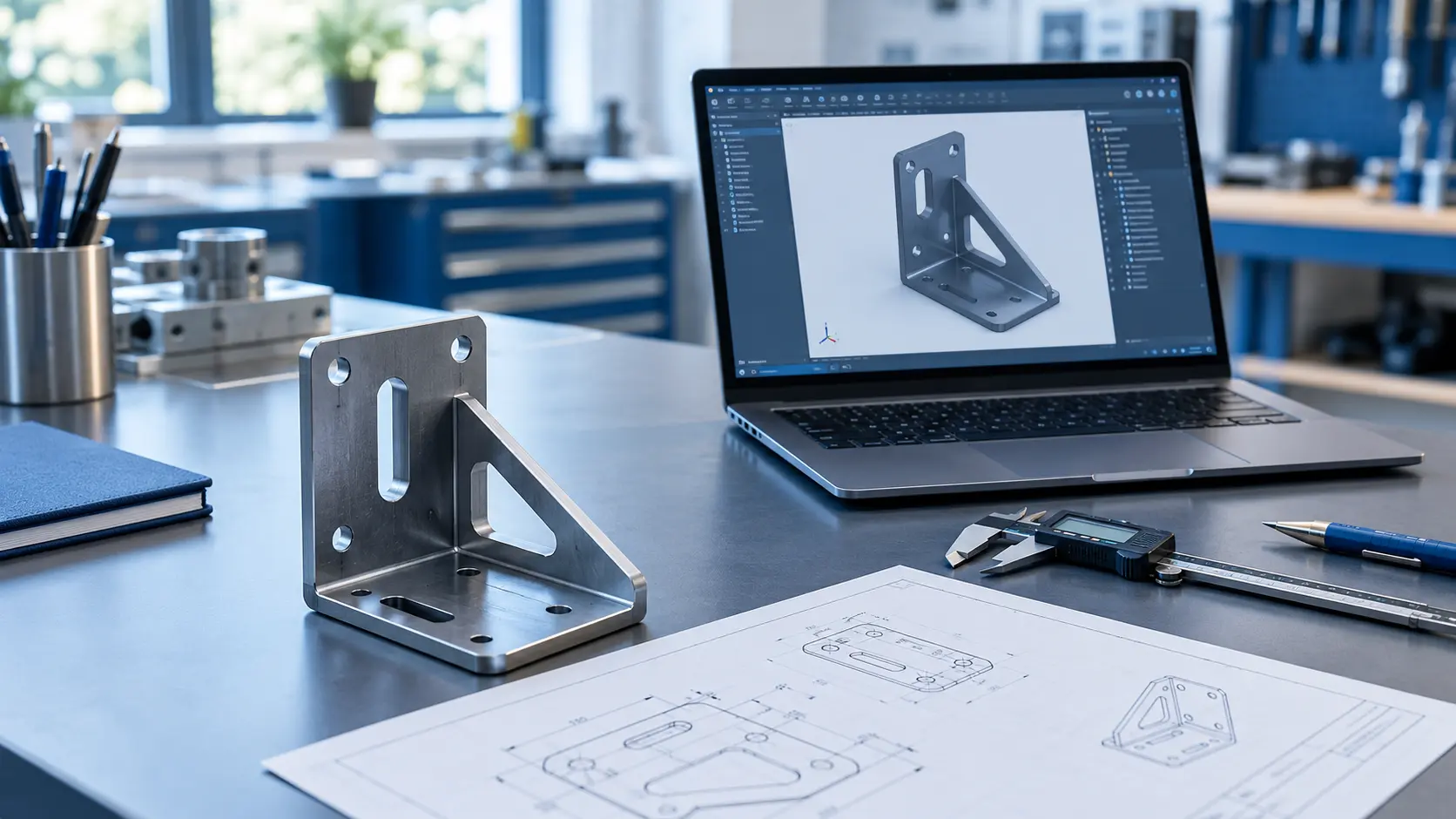
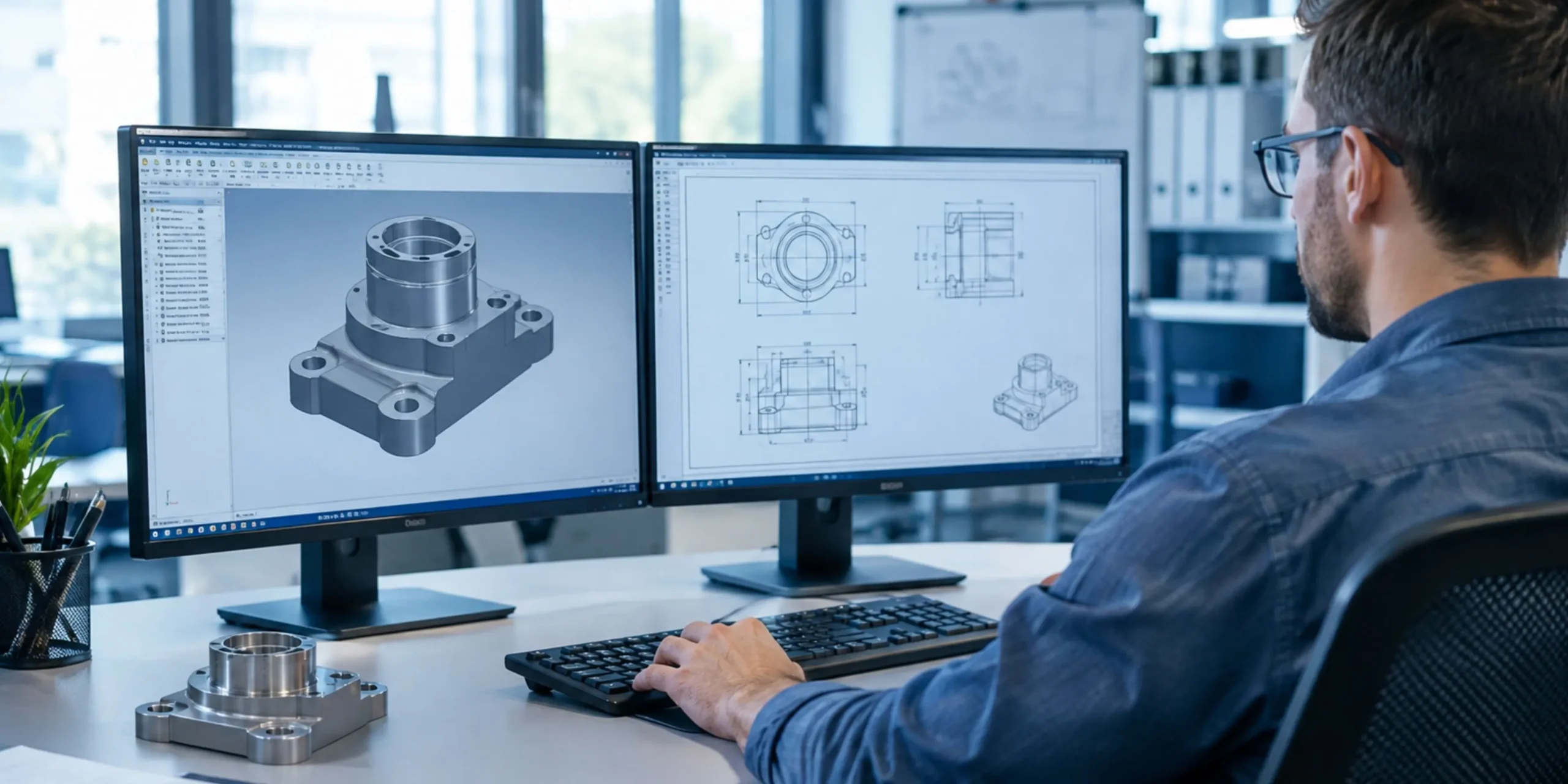
CAD expertise: SolidWorks, Inventor, Fusion 360, CATIA, AutoCAD, and parametric modelling.
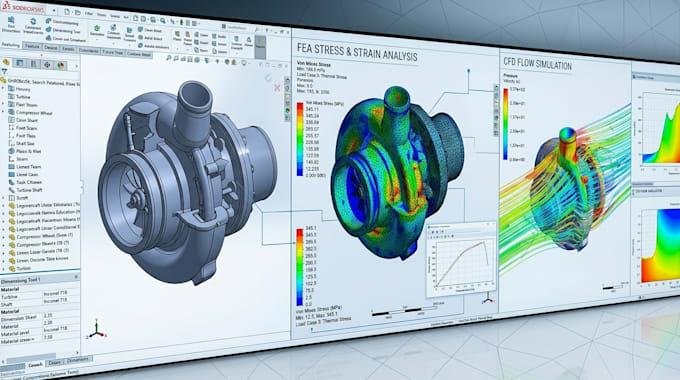
Simulation and analysis tools: SolidWorks Simulation, ANSYS, Autodesk Nastran, motion studies, FEA, and load calculations.
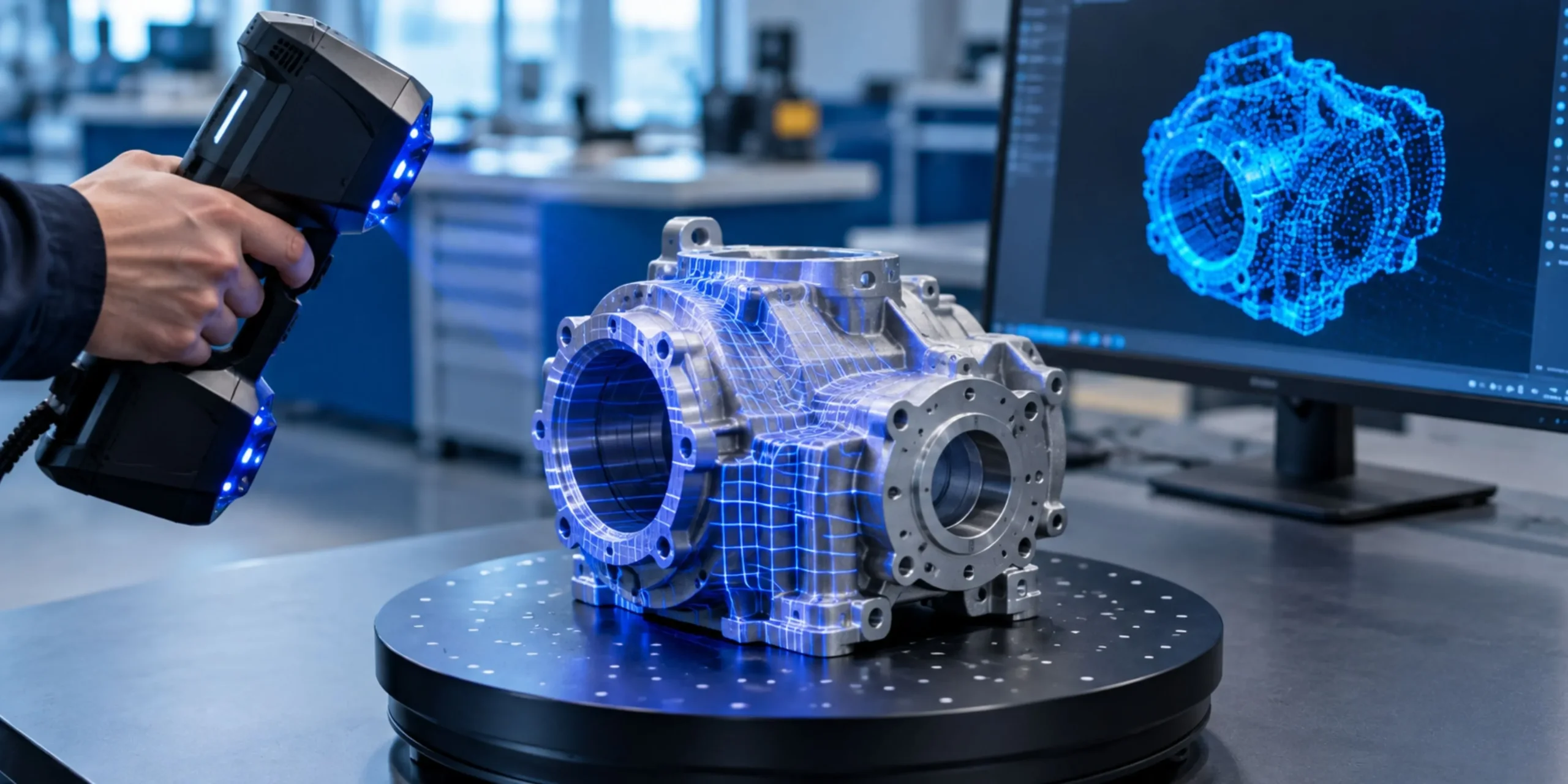
CAM and manufacturing understanding: Toolpath generation, CNC programming, nesting for plywood and metal sheets, GD&T, tolerance stack-ups, welding standards, bending allowances & DfMA (Design for Manufacturing and Assembly).
Industry-specific knowledge:
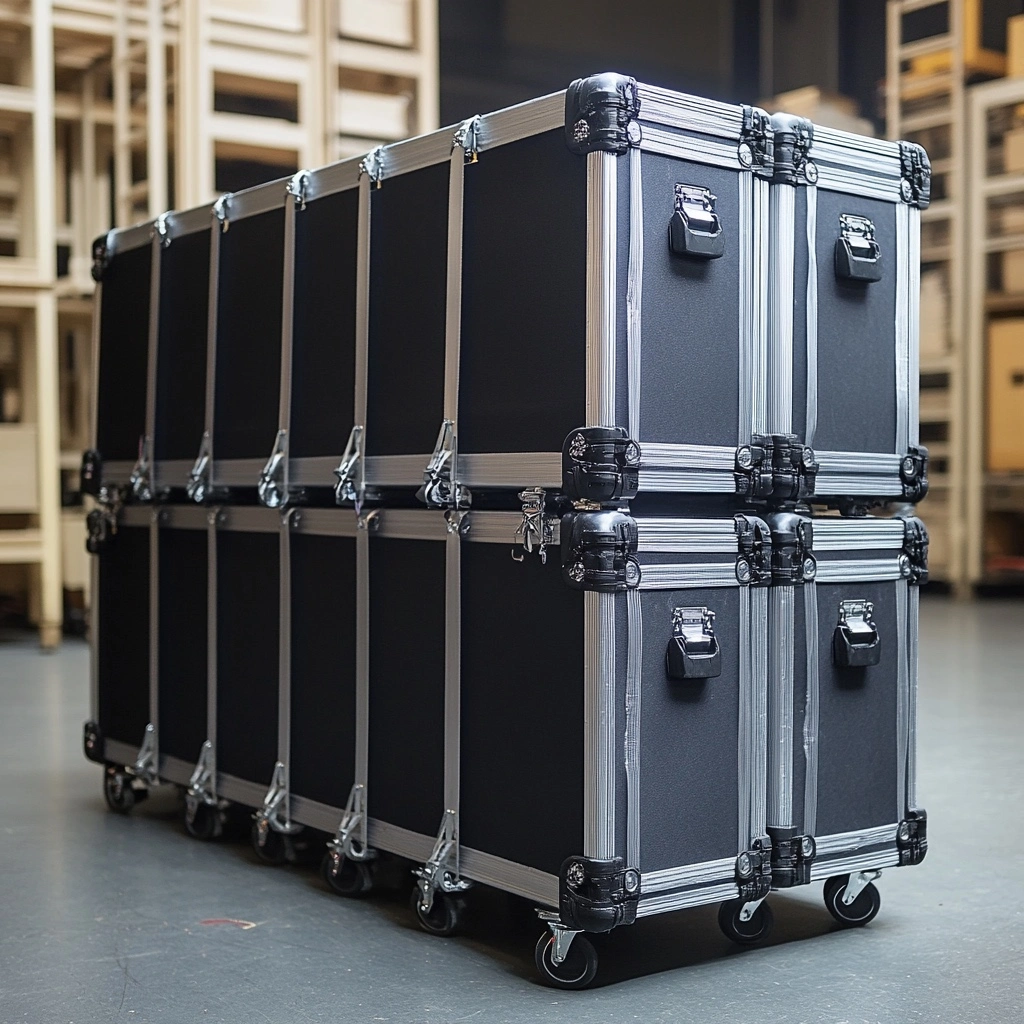
Road cases and flight cases: Panel nesting, aluminium extrusion design, hardware fittings, CNC routing.
Conveyors: Belt design, pulley calculations, frame structures, motor sizing, sheet metal brackets.
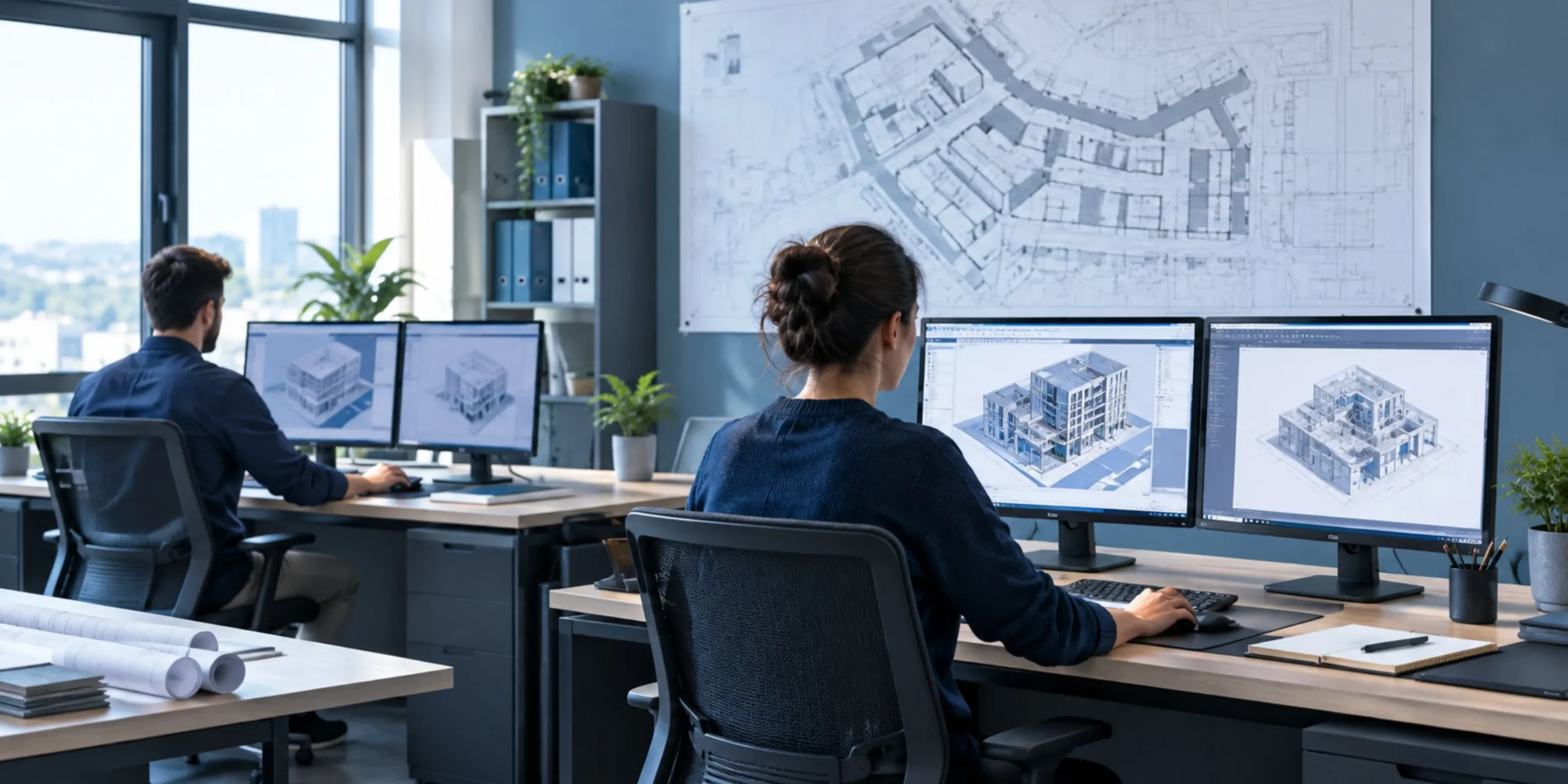
Prefabricated construction: Modular assemblies, BOM automation, structural subframes, façade engineering.
Soft Skills That Matter:
Collaboration with cross-functional teams and clients.
Understanding manufacturing feedback and revising models accordingly.
Documentation, revision control, and disciplined file management under PDM/PLM systems.
By clearly defining these skills internally, KEYWAY ensures the right engineers are aligned with the right roles—boosting efficiency and client satisfaction.
Smart Talent Acquisition: How KEYWAY Finds the Right Engineers
Finding engineers isn’t difficult. Finding engineers who think in 3D, understand manufacturing reality, and adapt quickly—that’s the real challenge.
This is where HR steps in with a structured approach instead of relying solely on resumes.
KEYWAY’s Recruitment Approach Includes:
✅ Reviewing CAD portfolios, not just CVs.
✅ Conducting technical design tests, nesting evaluations, and manufacturing logic assessments.
✅ Engaging with universities and conducting workshops on CAM automation, design for mass customization, and digital fabrication, helping fresh graduates understand real-world project demands.
✅ Cultural fit assessment—since our engineers work with European and Australian clients, professionalism, communication skills, and deadline commitment are critical.
This combination ensures that engineers at KEYWAY don’t just design—they design what can be manufactured.
From Hiring to Evolving: HR’s Role in Continuous Skill Development
The engineering world doesn’t reward static knowledge. Software updates, automation tools, AI-assisted modelling, and digital factory workflows demand engineers to stay constantly updated.
At KEYWAY, HR works alongside engineering managers to build a continuous learning ecosystem.
Key Initiatives Include:
✔ Internal Training & Certification Programs
SolidWorks Certification (CSWA/CSWP), AutoCAD, Inventor Professional Certifications.
Training modules on nesting optimization, CAM post-processing, offcut tracking, and sheet utilization.
✔ Knowledge-Sharing Workshops
Weekly sessions where senior engineers share real project experiences—toolpath mistakes, tolerance errors, faster modelling techniques, parametric assemblies, BOM automation, etc.
✔ Learning Management System (LMS)
Engineers get 24/7 access to courses on PLM/PDM workflows, advanced CAD automation (Macros/API), GD&T, and structural simulations.
✔ Performance-Based Skill Mapping
Engineers aren’t evaluated only on speed—they’re assessed for accuracy, manufacturability, material savings, revision control, and innovation.
This structured learning approach helps KEYWAY engineers stay competitive on a global level.
Creating Growth and Retention: Career Pathways at KEYWAY
Engineering talent isn’t retained through salary alone. It’s retained through purpose, challenge, mentorship, and growth.
HR at KEYWAY ensures:
📌 Clear career ladders – from Junior Engineer to Lead Design Engineer, and beyond into Project Management or Automation Development.
📌 Exposure to international projects – engineers get to work directly with European, Australian, and Middle Eastern manufacturers.
📌 Recognition systems – engineers are appreciated for error-free drawings, optimized nesting layouts, material savings, and smart automation solutions.
📌 Mentorship programs – juniors are paired with seniors for hands-on learning on live projects, not just theoretical tasks.
Conclusion: HR and Engineering Must Grow Together
At KEYWAY, we have realized that a company doesn’t scale through machines or software—it scales through people who know how to use them wisely.
HR in a design engineering company is not just about hiring—it’s about:
✔ Understanding technical needs
✔ Sourcing the right talent
✔ Training them to global standards
✔ Retaining them through growth and purpose
For mechanical and design engineers, this means a career that offers meaningful work, mentorship, automation exposure, and global collaboration.
As the industry continues to evolve, companies that invest in their engineers—not just projects—will define the future of design and manufacturing.