
Every product team knows the pain of waiting on approvals. A new packaging design sits in someone’s inbox for days. A sales deck needs updated visuals before a client meeting. A manufacturer wants to see the final look before signing off on production. This is exactly where a Product Rendering Service changes the game. Instead of waiting weeks for physical samples or rough sketches, businesses can now generate photorealistic visuals in days, sometimes hours, and get stakeholders to say yes much faster.
In this article, we’ll break down why rendering has become a must-have tool for modern brands, back it with current industry data, and cover what to look for when choosing a rendering partner.
The Approval Bottleneck Every Brand Faces
Approvals slow everything down. A packaging redesign might pass through marketing, then legal, then a retail partner, then the client. Each step adds days or weeks to the timeline. Traditional methods make this worse because teams often rely on flat mockups or physical prototypes that cost money and time to produce.
Physical samples create their own problems too. If a stakeholder wants to see three color variations, a team has to produce three separate prototypes. That means more material costs, more shipping delays, and more waiting. By the time samples arrive, market trends may have already shifted.
This is why more companies are turning toward digital solutions. Rendering removes the physical production step entirely from the early approval stages. Teams can generate multiple versions of a design within the same day and share them instantly with decision-makers anywhere in the world.
The Data: What Rendering Actually Delivers
The shift toward digital visualization isn’t just a trend – it shows up clearly in market growth and in reported business outcomes. Here’s what the numbers say:
- The global 3D rendering market was valued at roughly $4.85 billion in 2025 and is projected to keep climbing at a double-digit annual growth rate through the early 2030s, as more industries move approvals and design reviews into digital-first workflows (Grand View Research).
- Businesses switching from traditional photography and physical prototyping to 3D rendering have reported cutting production costs by up to 70%, while some high-value product categories saw conversion-rate increases of up to 94% (3Devision ROI Report).
- Furniture retailer Riverside Furniture saved roughly $100,000 annually by replacing physical photoshoots with rendering, and EQ3 saw a 36% increase in conversions and an 88% lift in average order value after adopting 3D visualization (Cylindo case study).
- Return rates tied to “product didn’t look like the photo” complaints have dropped by 30–40% for brands using realistic 3D visuals instead of flat images, directly reducing the cost of post-sale disputes and reshoots.
What Is Product Rendering and Why It Matters
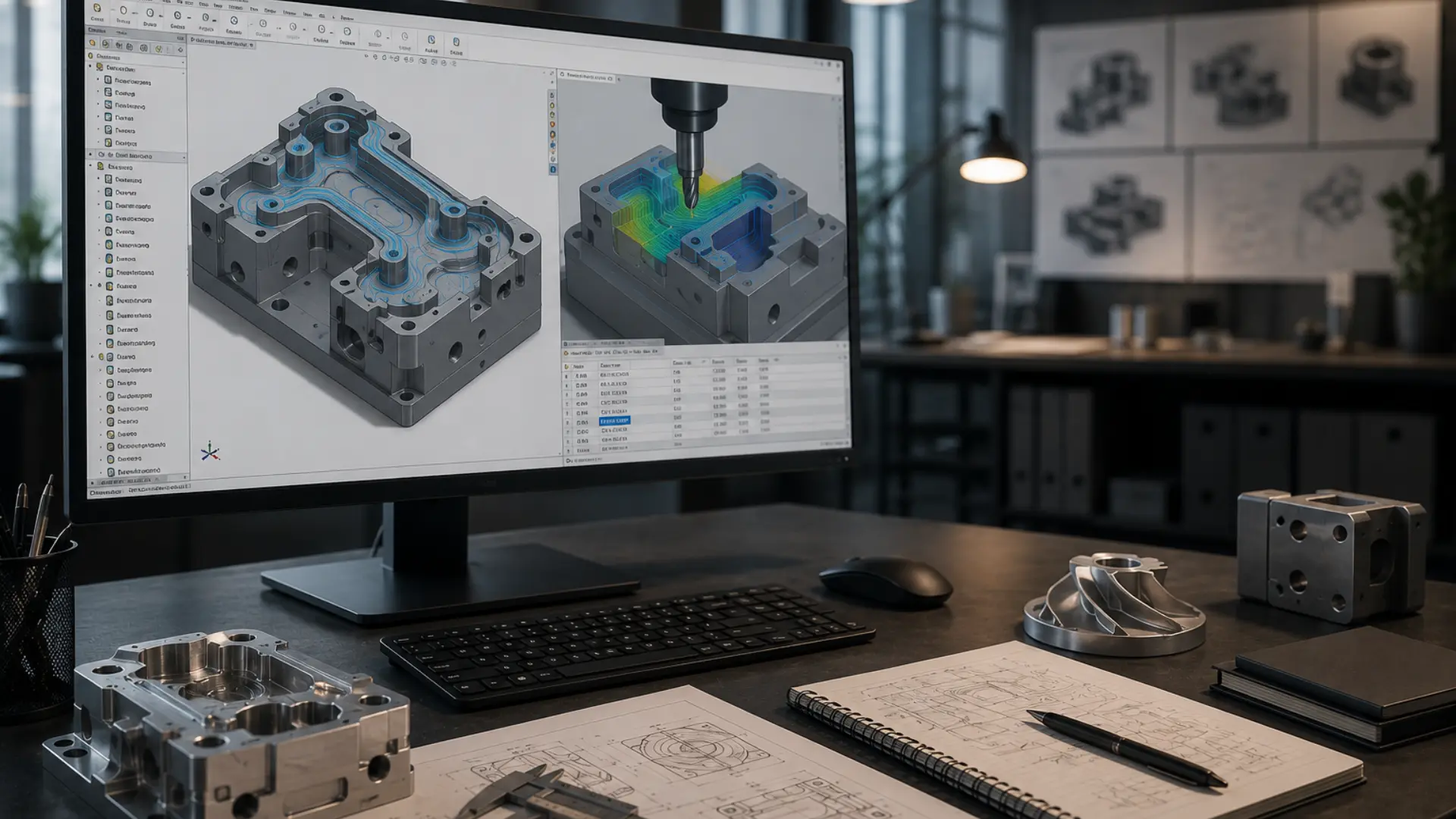
Product rendering is the process of creating a photorealistic digital image of a product using 3D software. Designers build a digital model, then apply lighting, textures, and materials to make it look exactly like the real thing – sometimes even better than a photograph.
Businesses use Product Design Renders for many purposes. Marketing teams use them for ad campaigns before the product exists. Sales teams use them to pitch new lines to retailers. Manufacturing teams use them to confirm design specifications before committing to tooling and molds.
The biggest advantage is speed. A rendering studio can turn around multiple design iterations in the time it takes to produce a single physical sample. This directly shortens the approval cycle because stakeholders see accurate visuals right away instead of waiting for a physical version.
How Rendering Speeds Up the Approval Process
Faster approvals happen because rendering removes several traditional bottlenecks:
- No physical production delays: Teams skip the manufacturing step for early reviews, so there is nothing to ship or wait on.
- Instant revisions: Designers can adjust colors, materials, or angles in the same file and send updates within hours.
- Multiple options at once: Stakeholders can compare five versions side by side instead of approving one option at a time.
- Remote collaboration: Teams across different countries can review the same high-resolution image without needing to meet in person.
- Clear visual accuracy: Realistic renders reduce the back-and-forth that happens when a sketch or 2D mockup leaves too much to interpretation.
When companies work with an experienced Product Rendering Service, they often see approval timelines drop from weeks to just a few days. This matters most for brands that operate on tight retail calendars or seasonal launch windows.
| Tired of approval cycles that drag on for weeks? See how KEYWAY’s rendering team can help you move from concept to sign-off in days. Book a free consultation and get a turnaround estimate for your next project. |
Cost Savings That Go Beyond Speed
Speed grabs the headlines, but the cost savings deserve equal attention. Producing physical prototypes for every design variation adds up quickly. Materials, labor, shipping, and storage all cost money, and none of that spend happens until the design is locked.
Rendering flips this model. A design team builds one digital asset, then explores color options, packaging formats, or material finishes without touching a factory floor. If a stakeholder rejects a design direction, nothing physical gets wasted. The team simply adjusts the digital file and resubmits it for review.
This approach also protects budgets during the early concept phase, when ideas change often. Instead of locking in a direction too early just to save on prototype costs, brands can explore more creative options because each variation costs far less to produce digitally than physically.
Building Stronger Client and Stakeholder Trust
Approvals move faster when decision-makers trust what they are looking at. Grainy sketches or basic 3D wireframes leave too much room for guesswork. A photorealistic render shows exactly how a product will look under real lighting conditions, on a shelf, or in a customer’s hand.
This level of detail builds confidence among stakeholders because they are not approving an idea – they are approving something that looks finished. Retail buyers, for example, want to see how a product will sit on their shelves before committing to an order. A high-quality render answers that question immediately, without needing a physical sample shipped to their office.
Brands like KEYWAY have built their reputation around this exact need, helping companies visualize products with enough accuracy that stakeholders can make confident decisions on the first review instead of requesting round after round of revisions.
Where Rendering Fits Across Different Industries
Rendering is not limited to one type of business. Several industries rely on it heavily for faster approvals and stronger presentations.
Consumer packaged goods brands use rendering to test packaging designs before committing to print runs. This helps them react quickly to market trends without wasting materials on designs that might not perform well.
Furniture and home goods companies use rendering to show customers new collections before the items are manufactured. This lets them gauge interest and secure retail orders ahead of production.
Electronics manufacturers use rendering to present new device concepts to investors or partners long before a working prototype exists. This speeds up funding decisions and partnership agreements.
Cosmetics and beauty brands use rendering to test bottle shapes, labels, and finishes across many variations quickly, which matters in an industry known for fast trend cycles.
Across every one of these industries, the core benefit stays the same. Teams see accurate visuals sooner, which means they approve designs sooner, which means products reach the market faster.
If you want a deeper look at how photorealistic visuals help teams present concepts more effectively, our related guide, Struggling with Design Presentation? Try Photorealistic Rendering Services, walks through the presentation side of this in more detail.
Choosing the Right Rendering Partner
Not every rendering studio delivers the same quality or turnaround time. Businesses should look at a few key factors before choosing a partner.
Experience With Your Product Category
A studio that specializes in packaging renders may not have the same expertise in furniture or electronics. Ask to see previous work in your specific category before signing on.
Turnaround Time
Since faster approvals are the main goal, confirm how quickly the studio can deliver first drafts and revisions. Some studios promise fast timelines but struggle to hit them once a project starts.
Revision Process
Find out how the studio handles feedback. A smooth revision process, where changes get made quickly and clearly, prevents the approval cycle from getting stuck in endless back-and-forth.
Communication and File Formats
Make sure the studio can deliver files in the formats your marketing, sales, and manufacturing teams actually need, whether that is high-resolution stills, 360-degree spins, or files ready for animation.
Common Mistakes Businesses Make With Rendering
Even with a great rendering partner, some businesses slow themselves down through avoidable mistakes.
One common issue is unclear briefs. If a team does not provide clear reference materials, dimensions, or brand guidelines upfront, the studio has to guess, and that guesswork leads to more revision rounds.
Another mistake is skipping internal alignment before sending files for review. If marketing, sales, and leadership have not agreed on the direction internally, the rendering studio ends up caught between conflicting feedback, which stretches out the timeline instead of shortening it.
Finally, some companies treat rendering as a one-time need instead of an ongoing tool. Brands that build rendering into their regular design workflow, rather than using it only for big launches, tend to see faster approvals across the board because their teams and stakeholders become used to reviewing digital assets quickly.
Conclusion
Faster approvals are not just a nice bonus – they directly affect how quickly a business can launch products, respond to trends, and win over retail partners. A skilled Product Rendering Service removes the slow, costly steps of traditional prototyping and replaces them with accurate, shareable visuals that stakeholders can approve with confidence.
Businesses that invest in strong rendering partnerships, such as working with a team like KEYWAY, often find that their entire product development timeline shortens, not just the approval stage. When design, marketing, and manufacturing teams all work from the same realistic visuals, everyone moves faster and with fewer surprises along the way.