
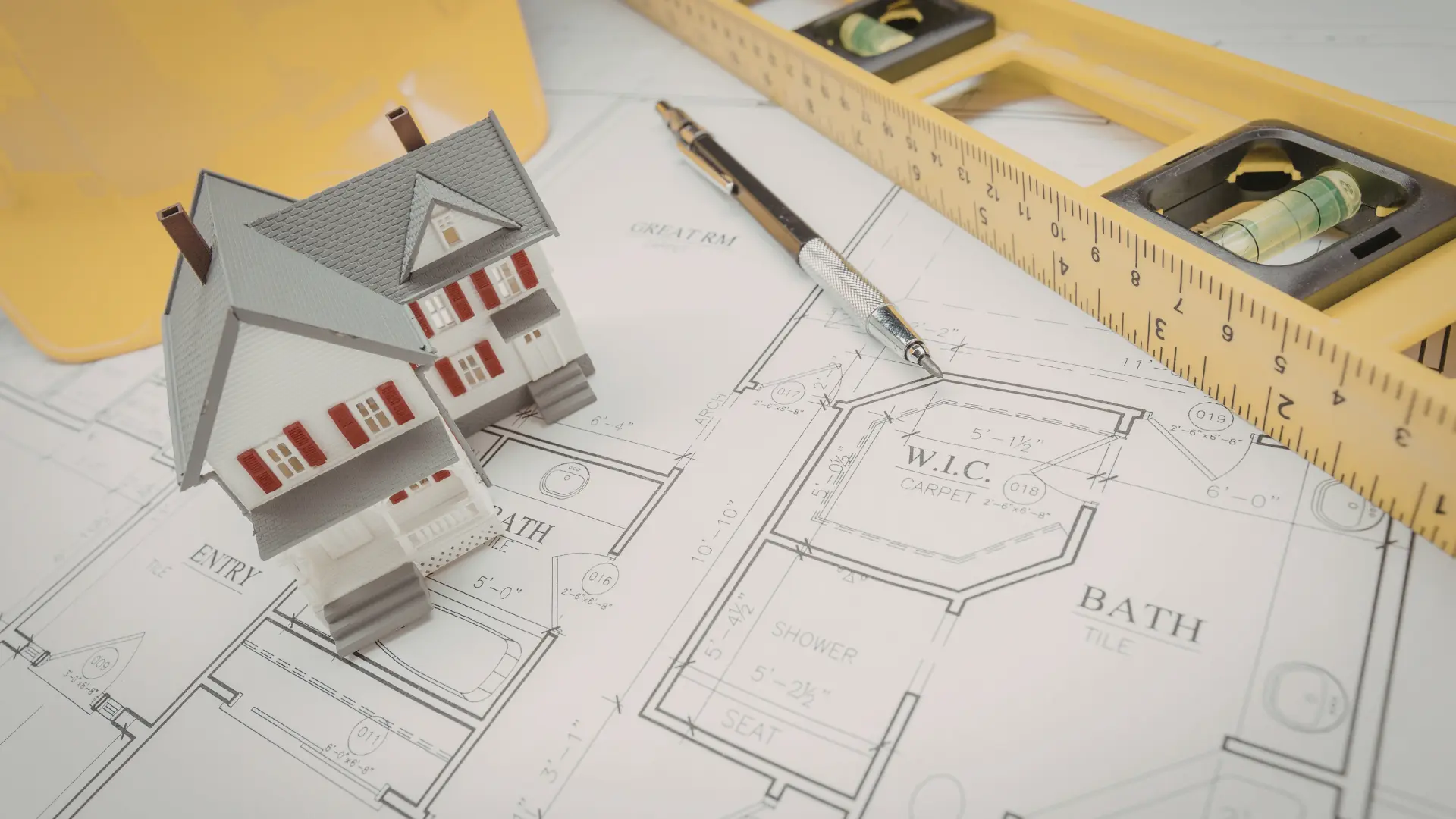
How Structural Detailing Service Prevents Design and Execution Errors?

In the construction and engineering industry, precision is everything. A single defect in the design or an error during the execution can cause costly delays, risk to safety, and compromise structural integrity. This is where Structural Detailing Service plays a very crucial role. They serve as a bridge between design ideas and on-site construction, ensuring that every component of a structure is clearly defined, accurate, and buildable.


It can be residential, commercial, or industrial construction, and it helps in the elimination of ambiguity and in reducing the number of mistakes made at each level of construction. Let’s explore how it prevents design and execution errors and why it is essential for successful project delivery.  


What Are Structural Detailing Services?

Structural detailing involves the process of preparing detailed works, plans, and documents of all the structural elements (beams, columns, slabs, and connections). The fabricators, engineers, and construction teams use these drawings to understand how each component is to be produced and assembled. 


This process includes:


  • Reinforcement detailing (rebar drawings)
  • Steel detailing (fabrication drawings)
  • Connection detailing
  • Shop drawings and erection drawings


These deliverables ensure that the design purpose is properly transferred into real-life construction. 

1. Eliminates Design Ambiguities


Mistakes during construction are due to unclear or incomplete design documents. The architects and structural engineers often provide conceptual or general drawings, but they do not have the idea of the fine details required for execution.


They bridge this gap by:


  • Giving the right dimensions and specifications.
  • Explaining the complicated design aspects.
  • Specifying material needs and location.


By removing ambiguity, detailing ensures that all stakeholders, from engineers to contractors, are on the same page, reducing the risk of misinterpretation.

2. Improves Coordination Between Teams


Construction projects require the involvement of multiple teams, such as architects, structural engineers, MEP engineers, fabricators, and contractors. Poor coordination among these teams can lead to clashes and costly rework. 


These services improve coordination by:


  • Combining multi-disciplinary design data.
  • Detecting conflicts in advance of construction.
  • Assuring structural and non-structural compatibility.


For example, a collision between a beam and an HVAC duct can be detected during detailing rather than during construction, saving time and money.

3. Enables Early Error Detection


It is essential to identify mistakes at the early stages of the project life to reduce costs and schedule. Designs are analysed with advanced tools and software to identify possible problems before construction.


Key benefits include:


  • Identification of design inconsistencies.
  • Determination of missing or incorrect elements.
  • Checking load paths and structure.


Detailing prevents costly changes and project delays by identifying mistakes at an earlier stage before they can get to the construction area.

4. Enhances Accuracy in Fabrication


Inaccurate fabrication is a significant cause of construction mistakes, particularly on steel and precast buildings. In-shop detailed drawings direct manufacturers on how to produce components of the same specifications, ensuring better accuracy and fit during construction.


This results in:


  • Precise cutting, bending, and assembly of materials.
  • Reduced material wastage.
  • Improved quality control.


Accurate fabrication ensures that the components are perfect in terms of size, reducing the need for making adjustments on the site. 

5. Reduces Rework and Project Delays


One of the most costly and time-consuming construction issues is rework. It is usually caused by design failures, misunderstanding, or incorrect execution.


Structural detailing minimizes rework by:


  • Providing clear and precise instructions.
  • Ensuring all elements are pre-verified.
  • Minimising speculation in the building.


With proper drawings and guidelines, workers can perform their tasks right the first time and complete their projects at a faster rate.


6. Ensures Compliance with Standards and Codes


Construction projects must comply with local building standards, safety regulations, and industry standards. Violation may lead to legal penalties, fines, and unstable constructions. A Design for Manufacturing strategy also helps in ensuring a design is practical, efficient, and oriented towards reality in the construction processes.


They ensure compliance by:


  • Adhering to the codes and standards.
  • Addressing safety requirements in designs.
  • Providing documentation for approvals and inspections.


This not only enhances safety but also ensures smooth project approvals and inspections.

7. Supports Efficient Project Planning


A precise description also helps in enhanced planning and resource management in a project. Highly detailed drawings and specifications make planned materials, labor, and schedules more effective for the project managers. 


Benefits include:


  • Accurate quantity take-offs.
  • Better cost estimation.
  • Improved scheduling and workflow.


This level of planning reduces uncertainties and helps keep the project on track.

8. Facilitates Better Communication On-Site


Effective communication is another crucial aspect in construction. Failure to understand teams can cause errors, delays, and safety hazards.


Structural detailing improves communication by:


  • Presenting easy-to-understand illustrations.
  • Standardized symbols and notations.
  • Providing clear installation instructions. 


This ensures that everyone on-site, including supervisors and workers, understands what to do and how to do it right.

9. Leverages Advanced Technology


Contemporary solutions consist of high-technology tools like CAD (Computer-Aided Design) and BIM (Building Information Modeling) that are used to generate accurate and well-coordinated models.


These technologies offer:


  • 3D Structural visualization.
  • Team-to-team collaboration in real time.
  • Clash analysis and automatic error detection.


Structural detailing improves accuracy and minimizes mistakes by using these tools.

10. Improves Overall Construction Quality


Ultimately, structural detailing aims at high-quality construction. Detailing helps in a more reliable, safer, and stronger structure, as all problems are solved before they arise.


High-quality detailing leads to:


  • Improved structural performance
  • Increased life span of structures.
  • Enhanced comfort for the occupants.

Conclusion


Proper implementation in construction commences with proper and detailed plans. These services ensure that all the aspects of a design are clearly represented, helping the team to avoid confusion, minimize errors, and remain consistent through the project life cycle.


At Keyways, we support smooth construction procedures through reliable and accurate structural detailing services. Join us on LinkedIn and discover how we help engineering and construction teams to deliver projects within the project management life cycle in an error-free manner.

How Structural Detailing Services Turn Engineering Designs into Reality?

In modern construction and infrastructure development, engineering designs are only the starting point. These designs need extremely detailed documentation and specific technical instructions to turn them into real structures. This is where structural detailing becomes essential. It serves as the bridge between the engineering concepts and the actual construction process, ensuring that each component is built accurately. A professional Structural Detailing Service transforms engineering drawings into documents that contractors and manufacturers can easily follow and fabricate.   

These services help prevent costly errors, improve efficiency, and ensure structural integrity. In addition, modern detailing practices increasingly integrate Design for Manufacturing principles to make structural components easier and more cost-effective to produce. Below, we explore how structural detailing services transform engineering plans into real, functional structures. 


Understanding Structural Detailing

Structural detailing is the process of creating precise drawings and technical documentation that can be used to fabricate and install structural components. Engineers develop the initial structural designs and then transformed into precise and build-ready drawings by detailers, which can be used during the building process by the manufacturer and construction teams.   


Bridging the Gap Between Design and Construction

Engineering drawings focus on the structural computations and design concepts. However, these drawings may not provide the level of detail required for fabrication and construction. Structural detailing fills this gap by converting design information to specifications that are easily understood and followed by the builders.

A reliable Structural Detailing Service plays a vital role in ensuring that engineering ideas are successfully implemented during construction.


Important ways structural detailing bridges this gap include:

  • Turning engineering ideas into clear drawings for fabrication.
  • Providing accurate sizes and specifications of structural parts.
  • Training contractors in the housing and installation of components.
  • Ensuring that all structural elements fit well in construction. 
  • Reducing confusion between engineers, fabricators, and site teams.


The Role of Technology in Structural Detailing

Technology has improved the structural detailing a lot more accurately and efficiently. Modern detailing tools enable specialists to produce highly accurate digital models and detect problems before fabrication.

Today’s detailing processes tend to integrate the use of advanced software and digital collaboration tools. The technologies also promote the Design for Manufacturing concept, which entails designing easier-to-fabricate designs.  

Technology supports structural detailing through:

  • Using 3D modeling software, such as BIM and structural detailing software.
  • Early identification of conflicts between diverse building systems.
  • Allowing teams to communicate the updates promptly on digital platforms.
  • Assistance in visualizing the structure, then start fabrication.
  • Applying Design for Manufacturing methods to make production easier.


Improving Accuracy and Reducing Errors

Construction errors may cause significant delays, higher costs, and insecurity. Structural detailing reduces the risks by offering precise documentation for fabrication and installation.

A Structural Detailing Service, through accurate drawings and models, manages to ensure that all structural elements are produced and assembled properly.

Structural detailing helps reduce errors by:

  • Providing precise measurements of beams, columns, and other structural components.
  • Providing a clear definition of welding, bolting, and connection requirements.
  • Elimination of guesswork in the fabrication and installation.
  • Early detection of possible design conflicts prior to building.
  • Ensuring all structural parts fit together accurately on site.


Enhancing Collaboration Across Project Teams

Construction projects have a variety of professionals, such as architects, engineers, contractors, and fabricators. Effective communication between these teams is critical to ensure smooth project execution. 

Structural detailers help in enhancing cooperation by converting technical designs into concise and comprehensible drawings. A professional Structural Detailing Service acts as a communication between the design team and the construction professionals.  

Structural detailing enhances collaboration by:

  • Providing standardized drawings that all teams can interpret.
  • Allowing the engineers and contractors to review detailed structural models.
  • Early detection of problems by project stakeholders.
  • Enhancing the supply chain between the fabrication shops and the construction sites.
  • Supporting efficient workflows aligned with Design for Manufacturing.


Supporting Fabrication and Manufacturing

Fabrication facilities depend on precise structural plans to manufacture the parts of a building. Structural detailing provides the specifications that are required to manufacture structural elements efficiently.

A Structural Detailing Service provides manufacturers that can produce structural components with minimal errors by preparing accurate fabrication documents.  

Structural detailing supports fabrication through:

  • Creating shop drawings that guide cutting, drilling, and welding operations.
  • Raising the fabrication planning material lists.
  • Enhancing the efficiency of manufacturing through standardized designs.
  • Less material waste in the production process.
  • Applying Design for Manufacturing techniques to simplify fabrication processes.


Ensuring Compliance and Structural Safety

Construction projects focus on safety. Structural detailing assists in mandating that all the structural components are installed as per the engineering requirements and industry standards.

A well-executed Structural Detailing Service carefully examines the design data and prepares documentation that enhances safe and compliant construction.

Structural detailing contributes to safety by:

  • Ensuring structural components meet engineering specifications.
  • Following industry standards and building codes.
  • Documenting proper installation methods for structural connections.
  • Supporting load-bearing and stability requirements.
  • Reducing the likelihood of structural failures.


Improving Project Efficiency and Cost Control

Construction projects must operate within rigid schedules and budgets. This can be achieved through structural detailing by providing clear documentation before fabrication and installation.

Contractors can work more efficiently and eliminate unnecessary delays when structural components are detailed properly.

Structural detailing improves efficiency and cost management by:

  • Eliminating fabrication errors and rework.
  • Reducing project delays due to poor drawings.
  • Maximize the use of the materials in production.
  • Facilitate faster on-site installation.
  • Incorporating the design of Manufacturing processes to simplify manufacturing.

Conclusion

Turning engineering concepts into real structures requires clear and precise documentation. Structural Detailing Service helps in the transformation of engineering designs into precise drawings that can be readily utilized by fabricators and building teams.

At Keyways, we help businesses streamline projects with reliable structural detailing solutions. Connect with us on LinkedIn to see how we support engineering teams with efficient detailing services.