Why Roller Conveyor CAD is Crucial for Preventing Shop Floor Failures?


Shop floor failures rarely begin with loud breakdowns; they usually start with small design mistakes that go unnoticed until production is affected. In today’s manufacturing world, conveyor systems are operated for 24 hours under high loads and high schedules, and there is hardly any room for mistakes. Any minor error in distributing loads, alignment, or planning of a structure may create downtime, safety hazards, and costly repairs. With the automation and increased productivity of industries, precise and dependable conveyor planning is more necessary than ever.  


Roller Conveyor CAD has a significant role in avoiding such failures by assisting engineers to visualize, analyse, and prove conveyor systems prior to their production or installation. CAD enables more planning, the ability to identify risks in early stages, and easier integration of the system, rather than relying on guesses or trial-and-error. Early identification of potential design problems enables vendors to develop conveyor systems that are safe, efficient, and reliable in actual shop floors.  
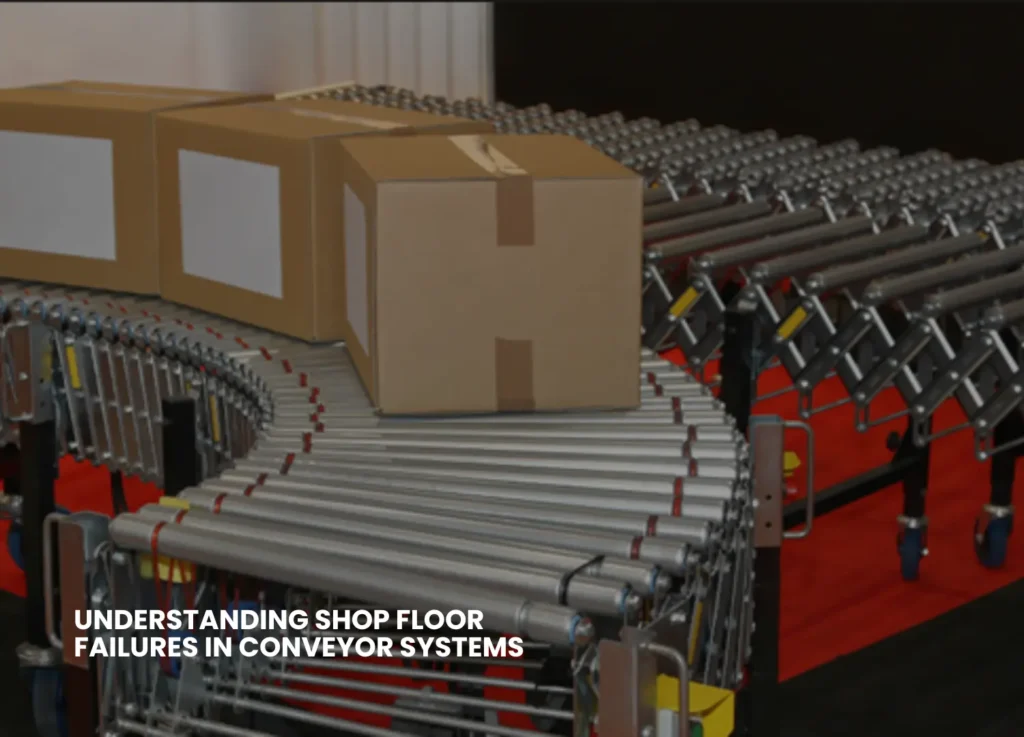
 

packaging boxes on a conveyor


Understanding Shop Floor Failures in Conveyor Systems 


Failures at the shop floor in the conveyor system are usually designed as limitations, but not caused by operational errors. Issues like unequal load distribution, structural tension, or misalignment gradually decrease performance and result in unpredictable downtimes. These problems can be identified in the design stage and can be avoided, that led to repeated operational problems and maintains a smooth flow of materials. 


  • Uneven load distribution causing roller and bearing damage. 
  • Frame misalignment leading to vibration and instability. 
  • Improper roller spacing causes product jamming. 
  • Premature lack of wear due to excessive mechanical stress. 
  • Trouble in integrating with other equipment. 


Role of Roller Conveyor CAD in Modern Engineering 


Roller Conveyor CAD changes traditional conveyor planning into a more accurate and data-driven process. Engineers can create detailed 3D models to understand how the system will perform before manufacturing starts. This improves accuracy and reduces design errors. 


Roller Conveyor CAD transforms the conventional method of planning a conveyor into a more precise and data-based approach. Engineers can create detailed 3D models to understand how the system will perform before manufacturing starts. This enhances precision and minimization of design errors.  


  • Detailed 3D modeling for better visualization. 
  • Improved dimensional accuracy and alignment. 
  • Timely detection of component interference. 
  • Faster design updates and optimization. 
  • Reduced installation errors on site. 


Early Detection of Design Risks 


One of the biggest benefits of CAD-based design is identifying potential problems early. Before the manufacturing process, engineers can examine the behavior of the system digitally and correct the risks. The method enhances trustworthiness and avoids the future expense of making complex changes.   


  • Load and stress analysis before fabrication.  
  • Simulation of peak operating conditions. 
  • Detection of weak structural points. 
  • Avoidance of congestion in certain areas. 
  • Less possibility of unforeseen failures. 


Improving Structural Strength and Reliability 


Conveyor system structural strength has a direct impact on long-term performance. A poorly designed structure can perform well but fail in the long run with constant operational stress. CAD assists engineers in ensuring that each component can carry the necessary load. 


  • Accurate material and thickness selection. 
  • Proper support and reinforcement placement. 
  • Reduction of frame bending and deformation. 
  • Better resistance to vibration and fatigue. 
  • Stable performance under heavy loads. 


Enhancing Safety on the Shop Floor 


Safety risks often arise due to design oversights. Unprotected or unguarded conveyor systems may provide hazardous working conditions. Safety measures can be considered early on through CAD-based planning. 


  • Integration of safety guards and protection features. 
  • Proper spacing to reduce operator risk. 
  • Inspection and easy access. 
  • Reduced risk of product fall or instability. 
  • Improved compliance with safety standards. 
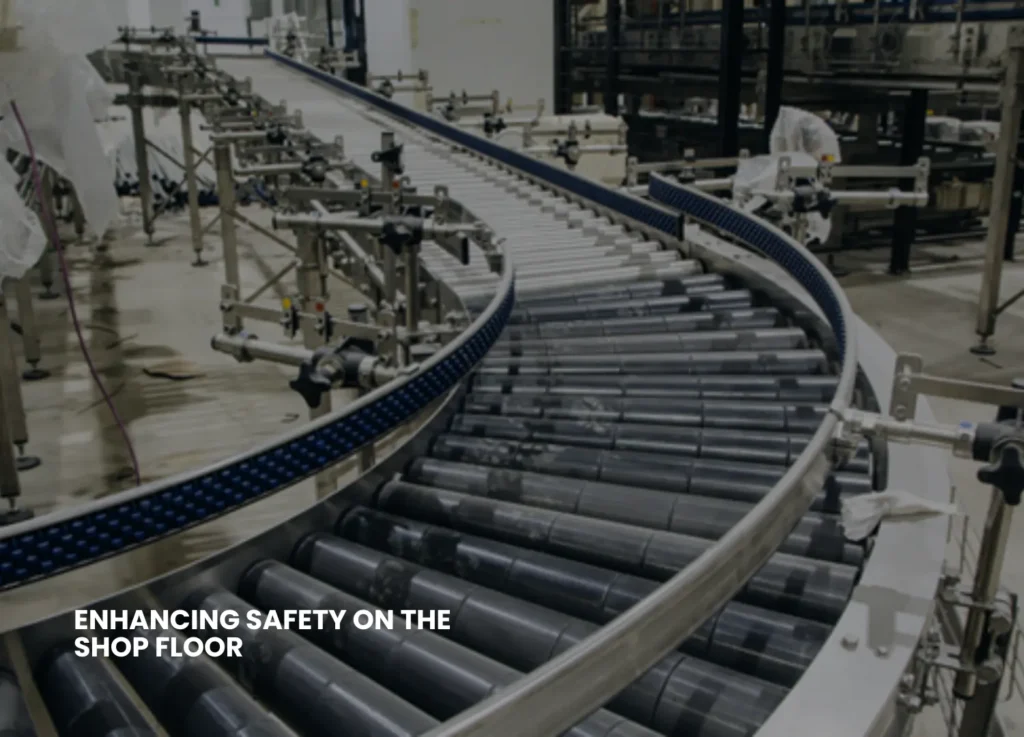
 

CAD CAM services can improve the efficiency in conveyor systems  


Improving Communication Between Design and Production Teams 


Effective communication among the engineering, fabrication, and installation teams is a key to successful project implementation. Effective Conveyor System Design offers a common visual reference that enables all stakeholders to clearly understand system requirements, reducing misinterpretation and ensuring smoother implementation across all stages. 


  • Clear technical documentation for fabrication teams. 
  • Better inter-departmental coordination. 
  • Less wastage in the production and assembly stages. 
  • Faster approval and revision processes. 
  • Better alignment between designing and execution. 


Seamless Integration with Automation Systems 


Modern manufacturing depends heavily on automation and synchronized workflows. Conveyor systems should be accurate to machines and automated equipment to ensure efficiency. CAD assists engineers in the proper planning of integration to facilitate easy operations. 


  • Proper coordination with automated machines. 
  • Easy transfer of products across machines. 
  • Elimination of production bottlenecks. 
  • Improved control of the conveyor height and speed. 
  • Improved overall workflow efficiency. 


Reducing Maintenance and Operational Costs 


Poor design planning is frequently reflected in frequent maintenance. Unnecessary stress and wear on components can be experienced in situations where the conveyors are not properly analyzed. CAD assists in maximizing performance and minimizing long-term operating costs. 


  • Balanced load distribution reduces stress on components. 
  • Longer life of rollers and bearings. 
  • Less downtime due to decreased failures. 
  • Easier troubleshooting using CAD documentation. 
  • Reduce long-term servicing costs. 


Supporting Scalable and Future-Ready Designs 


Manufacturing facilities evolve, and conveyor systems must adapt to changing production needs. CAD-Based design enables the design engineers to come up with a modular and flexible design of the conveyor systems, which can be expanded or changed without significant interruptions. This guarantees extended wearability and security of investment. 


  • Modular layouts for easy expansion. 
  • Simplified future upgrades and modifications. 
  • Flexibility in variation in production volumes. 
  • Digital models for future reference. 
  • Reduced redesign expenses in the expansion. 


Enabling Faster Project Execution and Deployment 


Time delays in conveyor projects often occur due to design corrections and unexpected site adjustments. CAD-based planning reduces uncertainty by checking the design before manufacturing to speed up the manufacturing and installation. 


  • Less redesigning during installation. 
  • Faster approval cycles. 
  • Accuracy in project planning. 
  • Reduced installation schedules. 
  • Quicker system commissioning. 


Supporting Data-Driven Decision Making 


Modern engineering decisions increasingly rely on data rather than assumptions. Roller Conveyor CAD offers measurable data on the system performance, allowing the engineers to make adequate decisions about materials, structures, and efficiency. 


  • Design improvement through performance. 
  • Proper assessment of various designs. 
  • Better cost-to-performance balance. 
  • Reduced reliance on trial-and-error methods. 
  • Better long-term system planning. 


Conclusion 


Great conveyor performance starts with engineering clarity, not post-installation fixes. Roller Conveyor CAD helps the manufacturer in making informed design decisions that align system performance with actual production demands, which is reliable as the operations scale and evolve. 


At Keyways, we combine practical engineering expertise with advanced Conveyor System Design approaches to deliver efficient and performance-driven material handling solutions. Explore our solutions at LinkedIn and see how Roller Conveyor CAD supports smarter manufacturing outcomes.
Is CNC Automation Reducing Real Machining Skills?

It is true that manufacturing industry is evolving at a rate never seen before in history and CNC automation is standing at the heart of this evolution. Visit a contemporary machine shop and one will encounter high-speed CNC machines, automatic tool changers, probing machines and even robotic arms loading and unloading parts. All this technology has certainly increased productivity and precision but has also led to a serious question in the machining community; Is CNC automation taking away the real machining skills? 

This is not the question of denying the existence of technology or idealizing the past. Rather, it is a matter of becoming familiar with how rising automation is transforming the job of machinists, what sort of skills will be needed and what will be the long-term consequences of automating manufacturing skill. 


The Rise of CNC Automation in Modern Manufacturing 

The automation of CNC has increased at a high rate because of the increasing rate of industry requirements of speed, uniformity and reduction of expenses. Computerized CNCs are capable of working up to long periods and need very little supervision with the same production of parts with close tolerances. Automatic tool measurement, adaptive feed control, preset machining cycles, etc. are some of the features that have considerably diminished manual decision-making in the process of the operations. 

This business-wise makes sense. The use of automation decreases the reliance on most seasoned operators, potential human error, and yields higher production. The position of the machinist is however gradually being transformed into a system operator as machines become increasingly involved in the handling of more task 


Traditional Machining Skills: What Do We Mean? 

Prior to the widespread implementation of CNC aCNC MACHINING PROCESSutomation, machining was intensive in terms of skill and rich setting-to-do experience. Machinists also had to know the machines by feel, by listening to sounds of cutting, by touching vibrations and manually adjusting the parameters. These are the skills which had been acquired through several years of experience in manual lathes, milling machines and grinders. 

  • Conventional machining skills consisted of: 
  • Cutting speed and feed calculations were done manually. 
  • Experience-based tool selection and tool grinding. 
  • Determining machining problems through sound, feel and visual examination. 
  • Manual adjustments of setups to keep it accurate. 
  • Knowing material behaviour in cutting. 

Such skills were the basis of machining knowledge and enabled machinists to be flexible to unforeseen issues. 


How Automation Changes the Machinist’s Role 

With CNC automation, much of these are now being done by the software, sensors and pre-programmed logic. Current CNC machines have the ability to automatically choose the cutting parameters, correct tool wear, and terminate operations in case of fault detection. This has meant that there is a tendency to subject machinists to loading programs, watching screens, and responding to alarms instead of actively controlling the machining process. 

This change does not kill all the skills but it only alters the nature of the skills needed. The machinist of today must learn not only of software, machine interfaces and troubleshooting, but of manual control techniques less. This is another set of skills, but it may be acquired at the expense of having lost basic machining intuition. 


Reduced Hands-On Experience for New Machinists 

The effect that CNC automation has on the new entrants into the profession is one of the most considerable worries concerning the practice. Large numbers of new machinists begin their careers right on CNC machines and never touch a manual machine. Although they can be taught the effective use of CNC controls, they can be short of knowledge on the foundations of machining. 

  • Devoid of the practical aspect: 
  • The operators might find it difficult to detect the cause of machining issues. 
  • The breakage of the tools can be considered a software problem and not mechanical. 
  • Bad surface finish cannot be diagnosed well. 
  • The process optimization is now trial and error, and not a skill-based exercise. 

This results in a breed of operators, who have the ability to operate machines but might be unaware of the reasons behind the events that occur during cutting. 


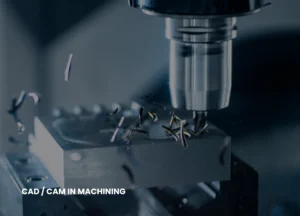
CAM AUTOMATION MEANS LACK OF HANDS ON EXPERIENCE FOR NEW ENGINEERS


Over-Reliance on Software and Pre-set Cycles 

Excessive dependence on CAM programs and machining cycles are also another negative aspect of automation. Although CAM systems are potent and effective, their toolpaths produced are usually generic and are not likely to suit all cases. Parameters were fine-tuned by skilled machinists, depending on the state of the machine, wear of tools and variation of materials. 

  • When operators blindly believe the software output: 
  • Tools used to cut may be operated to dangerous levels. 
  • Quality of surface finish can be compromised. 
  • The life of tools can decrease considerably. 
  • Unnecessary stress may be exerted on the machines. 

The absence of solid machining expertise would allow the operators to be unconcerned with software choices and cause inefficiencies and expensive mistakes. 


Skill Dilution Vs Skill Transformation 

It should be mentioned that CNC automation does not necessarily kill skills but rather transforms them. The current machining demands both manual and computerized skills. The issue comes in when automation rather than augmenting it supplants understanding. 

  • Automation has resulted in (in most shops): 
  • Less focus on machining theory. 
  • More rapid training oriented on pressing buttons. 
  • Weak exposure to problem solving situations. 
  • Reduction in mentoring by the experienced machinists. 

This gives capability depletion and not development. 


Why Skilled Machinists Are Still Irreplaceable 

Even with the high rates of automation, professional machinists are still essential in the production. Machines can be very useful in terms of speed and consistency when it comes to applying programmed instructions but they do not have the capability of the human mind to think critically, adjust to situations that arise and be innovative in times when the normal processes do not work. When machining issues are encountered, like tool life, dimensional errors, surface defect, etc., experience and judgment of a trained machinist will prove the difference between lost production and a timely solution. 

The human knowledge is particularly needed in case of operating new or hard-to-machine materials, in which case, typical cutting parameters might not be applicable, and the necessary modifications are to be implemented depending on the real-time observations. During the production of tight tolerances in low-volume or custom machining, the skilled machinists are also required as automation is not enough to ensure precision. Vibration, chatter, and thermal distortion are some of the problems that may involve intuitive diagnosis and corrective measures that cannot be detected by sensors and software. Also with experienced machinists, they are capable of maximizing the cycle time without reducing quality by balancing speed, tool life and surface finish. Human judgment is essential in processes modification and practical decisions when making decisions in the shop floor as engineering drawings are not clear or complete. It is only when driven by informed practitioners that automation can provide the most excellent outcomes, as an effective aid and not a substitute of actual machining mastery. 


Impact on Manufacturing Quality and Innovation 

The decrease in the real machining skills can pose a severe threat to the manufacturing quality and innovation in the long term. In cases where machine shops are over-dependent on automated operations, they are restricted in their adaptation to the unusual or unexpected problems. Machining innovation has always been the domain of the expert machinists who have tried crafting ways of cutting things, changing processes according to experience and risking the operation boundaries safely to get a better result. Such human enhancements tend to increase efficiency, quality and reliability of production process. 

In case machining is fully automated, problem solving skills in the shop floor would sooner or later be eroded over time, the operators would rely on systems other than critical thinking. Automation has the possibility of slowing down process improvement since it has a predefined routine rather than promoting creative adaptations. In the long run, this may cause reliance on external software, vendors or technical support at the expense of internal expertise of a company. It is also possible that manufacturing flexibility is reduced and custom jobs, small-scale production, or complicated design alterations become difficult to deal with. The automation and human skills efficiently combined, combining technological efficiency with human skills and innovativeness form the real manufacturing excellence. 


Finding the Right Balance Between Automation and Skill 

The answer does not lie in abandoning CNC automation but in a decrease in its use coupled with training of the skills. Machine shops should make sure that automation does not eliminate machining knowledge, but should increase it. The basic training programs must be made on basics and then advanced automation can be introduced. 

Strategies to be used are: 

  • Introduction to manual machining and CNC. 
  • Justifying the rationale of parameter reduction. 
  • Promotion of the analysis of machining issues by the operators. 
  • Encouraging mentoring between the senior and the junior machinists. 
  • Automating to help, but not to lean on. 

This will make the machinists retain their professionalism instead of being machine operators. 


The Future of Machining Skills 

In the future, machining skills would keep on changing. The hybrid skill set required of the future machinist will be a combination of the traditional machining knowledge, CNC operation, software knowledge, and problem solving skill. There will be a significant role of automation, and still human expertise will be the foundation of the manufacturing. 

Instead of posing the question of whether CNC automation is eliminating real machining skills, it may be more appropriate to pose the question of: Are we educating machinists to think or are we educating them to operate? The future of manufacturing industry will be determined by the answer to that question. 


Conclusion 

Automation in CNC has definitely changed the face of machining and introduced efficiency, accuracy and productivity to a new level. Nevertheless, automation can also negatively impact the skill of the actual machining process when it takes away the meaning rather than enhancing it. It is not a loss that happens in a short time, but in a slow manner- evident in a decline in problem-solving skills, poor underlying skills and excessive dependence on software. 

The key lies in balance. The skilled machinists should be empowered by automation rather than displace them. The industry can maintain the basics of machining and the adoption of modern technology to make sure that the practical machining skills will prevail in an ever-more automated world. 

5 Common Engineering Challenges Solved by 3D CAD Modeling Services

Engineering projects today demand high precision, efficiency, and flexibility. Areas like manufacturing, construction, automotive, and product designing are under constant pressure to minimize errors, accelerate the time frame of development, and control costs without affecting the quality. Conventional design practices can be difficult to fulfill these expectations, particularly with projects that have complicated assemblies, multifunctional teams, and regular design modifications. 


This is where 3D CAD Modeling Services play a vital role in modern engineering workflows. The engineers are now able to visualize, test, and improve designs by turning ideas into the right digital model before the start of production. Modern technology provided by such companies such as Autodesk, Dassault Systèmes, and Siemens can assist the team to point out problems at an earlier stage and work together in a more efficient manner. A professional CAD Drafting Service, along with the modeling, provides documentation and eliminates technical errors during the overall design process.  


engineers working on a cad project  


  1. Design Errors and Inaccuracies


Design errors are a common problem in engineering projects and may cause failures in production, waste of material, and redesigns. Small mistakes in dimensions, alignment, or tolerances may go unnoticed during early stages but often create serious problems later during manufacturing, assembly, or product performance if not identified and corrected early. 


How CAD solutions help overcome this challenge: 


  • Include accurate dimensions and parametric modelling to provide better accuracy. 
  • Automatic detection of component clashes and interferences. 
  • Enabling real-time updates to the entire design when changes are made. 
  • Control the tolerance and minimize errors in manual drafting. 
  • Allow the engineers to test designs prior to production. 
  • Ensure consistency between design drawings and final models 
  1. Difficulty in Visualizing Complex Designs


Engineering designs today are usually with complex geometries and detailed assemblies, which cannot be comprehended solely using conventional 2D drawings. Such inadequate visualization may lead to confusion among designers, engineers, and stakeholders, which may result in delayed approvals, revisions, and communication voids, which can slow down the entire project and decision-making process. 


How CAD solutions help overcome this challenge: 


  • Design a 3D better representation to provide clarity. 
  • Permit rotation, section view, and exploded assemblies. 
  • Help clients and non-technical stakeholders understand designs easily. 
  • Improve the design-engineering-production interaction. 
  • Supports the elaboration of visualizations for presentations and approvals. 
  • Improve decision-making by leveraging enhanced design knowledge. 
  1. High Prototyping and Development Costs


Physical prototyping requires time, materials, and test cycles, which can significantly increase development costs. Traditional methods of trial-and-error are ineffective and costly when the implementation of design modifications is frequent.  


Engineering teams often need efficient methods of testing and developing designs at early stages to minimize unwarranted costs and shorten the duration of product development in an efficient manner. 


How CAD solutions help overcome this challenge: 


  • Virtual prototyping before physical manufacturing. 
  • Allow quick design iterations without material expenses. 
  • Simulation and stress analysis of support. 
  • Minimise wastage of materials and trial production. 
  • Reduce product development times.  
  • Enhance confidence before finishing production. 
  1. Collaboration and Data Management Issues


Engineering projects require multiple teams to collaborate at various levels of design and manufacturing. In the absence of appropriate coordination and data management, outdated files, version conflicts, and a lack of communication may be experienced.  


These problems tend to cause time delays, failures, and repetitions, and it is hard to achieve efficiency and continuity throughout the project lifecycle. 


CAD solutions help overcome this challenge: 
Centralize design data for easier access and updates. 
Maintain revision history and version control. 
Facilitate work in teams in real-time. 
Enhance inter- and intra-departmental communication. 
Integrate with product lifecycle management systems. 
Support cloud-based workflows for remote collaboration.


How CAD solutions help overcome this challenge: 


  • Centralize design data for easier access and updates. 
  • Maintain revision history and version control. 
  • Facilitate work in teams in real-time. 
  • Enhance inter- and intra-departmental communication. 
  • Integrate with product lifecycle management systems. 
  • Support cloud-based workflows for remote collaboration. 


  1. Manufacturing and Assembly Challenges


Production and assembly challenges can frequently arise when the needs of the manufacturing stage are not examined fully at the design stage. Even the designs, which seem efficient on paper, may still face practical constraints during actual production or assembly.  


This may add more time to production, higher cost, and alignment or fitting problems that influence the overall quality of products and performance. 


How CAD solutions help overcome this challenge: 


  • Simulate assembly processes before production begins. 
  • Identify manufacturing limitations early in the design phase. 
  • Optimize part machining, fabrication, or molding parts. 
  • Enhance match and adjustment by tolerance analysis. 
  • Reduce the complexity of assembly and manufacturing errors. 
  • Improve the communication between the design and manufacturing teams. 

Additional Engineering Advantages of CAD-Based Design 


In addition to resolving typical problems, CAD technology has long-term operational and strategic benefits, which improve engineering efficiency. Using 3D CAD Modeling Services, the teams can enhance the design uniformity, streamline and minimise duplication of work, and maintain accuracy in projects.  


Integration with a professional CAD Drafting Service ensures precise documentation and better collaboration, helping organizations improve productivity, support future modifications, and achieve scalable, high-quality engineering outcomes.  


Key advantages include: 

Faster innovation through rapid design iterations: 


Concepts can be tested, refined, and enhanced much faster by reusing the fast design iterations, enabling engineers to shorten innovation cycles and decrease the total time taken to develop a concept. 

Automated records with CAD Drafting Service 


CAD Drafting Service has automated digital records that keep the records in an orderly manner, with easy revisiting and enhanced traceability across project life cycles. 

Less complex client-based customization 


By enabling modification to design at a luxury, CAD tools enable rapid client-driven customization that is flexible but does not enhance engineering complexity and delays. 

Improved product quality and design consistency 


Digital modeling improves the quality of products and the consistency of design because it reduces errors and ensures standard practices in engineering.  

Better risk evaluation by simulation and analysis 


High-level simulation and analysis tools help in evaluating risks early and identifying potential failures before manufacturing begins. 

Smooth integration with CNC machining and 3D printing 


CAD files have direct connections with CNC machining and 3D printing tools, which facilitate easier manufacturing and avoid manual data representation.  

Simplified maintenance and future upgrades through accurate digital records 


Precise digital records can make maintenance easier and support future upgrades by providing a reliable reference for data. 


Conclusion 


CAD solutions enable the engineering teams to reduce errors, enhance visualization, lower development costs, and facilitate collaboration. CAD technology helps to accelerate the completion of projects, enhance the quality of products, and improve production processes with accuracy in design validation and team coordination across the system of modern engineering workflows. 


Companies like Keyways support businesses by providing reliable CAD and engineering solutions that simplify complex design challenges. Our experienced team helps improve accuracy, efficiency, and project outcomes through advanced design practices. To learn more about their expertise and industry updates, connect with them on LinkedIn for further insights and collaboration opportunities. 

10 Questions to Ask Before Hiring Mechanical Design Services

Hiring the right engineering partner can directly impact product quality, development speed, and long-term profitability. Whether you are coming up with a new product, upgrading an existing system or optimising manufacturing processes, it is important to carefully consider the choice of professional Mechanical Design Services. Not only will the right provider enhance product performance, material efficiency, and manufacturability. An effective engineering partner is familiar with industry standards, compliance, and advancing technology, which helps them to stay competitive and minimise expensive redesign and production risk.    


But most companies enter into partnerships without conducting proper due diligence. This usually leads to misaligned expectations, poor communication, design discrepancies, delays in production, and unexpected costs. Ignorance of technical capabilities or lack of measurement of experience in areas like prototyping, testing, or Mechanical Reverse Engineering can create long-lasting operational challenges. When choosing your engineering partner, always evaluate their expertise, technical capabilities, and project approach carefully. Here are the 10 key questions mentioned that will provide you with a competent and informed choice.   


 Mechanical Design Services. Not only will the right provider enhance product performance, material efficiency, and manufacturability 


  1. What Industry Experience Do You Have?


Experience is a significant factor in engineering. The automotive, aerospace, medical devices, industrial equipment, and consumer product industries have differing standards and regulatory requirements. Inquire about the previous projects and industries worked on, and technical issues. 


An experienced provider of Mechanical Design Services will be aware of the material selection, tolerances, safety requirements, and performance requirements specific to your sector. Request case studies or references to validate their experience. 

  1. What Design Software and Tools Do You Use?


High-level CAD and simulation tools are significant in precision engineering. Make sure that the company is operating with industry-standard software like SolidWorks, AutoCAD, CATIA, or Creo. It is possible to have 3D modelling, finite element analysis (FEA), and real-time simulations using modern tools.  


The right software facilitates proper modelling, lowers the mistakes made, and smooths the transitions during manufacturing. Compatibility with your internal systems is also important if collaboration is required.   

  1. Do You Offer Mechanical Reverse Engineering Services?


When redesigning or upgrading a product, enquire whether the company offers Mechanical Reverse Engineering. This service involves the analysis of the physical parts and the reconstruction of the detailed digital models. 


Reverse engineering is particularly helpful when the documentation of the original design is unavailable or out of date. A group of skilled people in Mechanical Reverse Engineering can optimize old products, enhance performance, and assist in creating a cost-effective redesign. 

  1. How Do You Ensure Design Accuracy and Quality Control?


Mechanical engineering requires precision. Ask about their quality assurance processes, validation methods, and review systems. 


Qualified Mechanical Design Services providers introduce systematically conducted quality inspections, reviewing, simulation testing, and verifying compliance. Their working process should include clear documentation, design validation reports and tolerance analysis. 

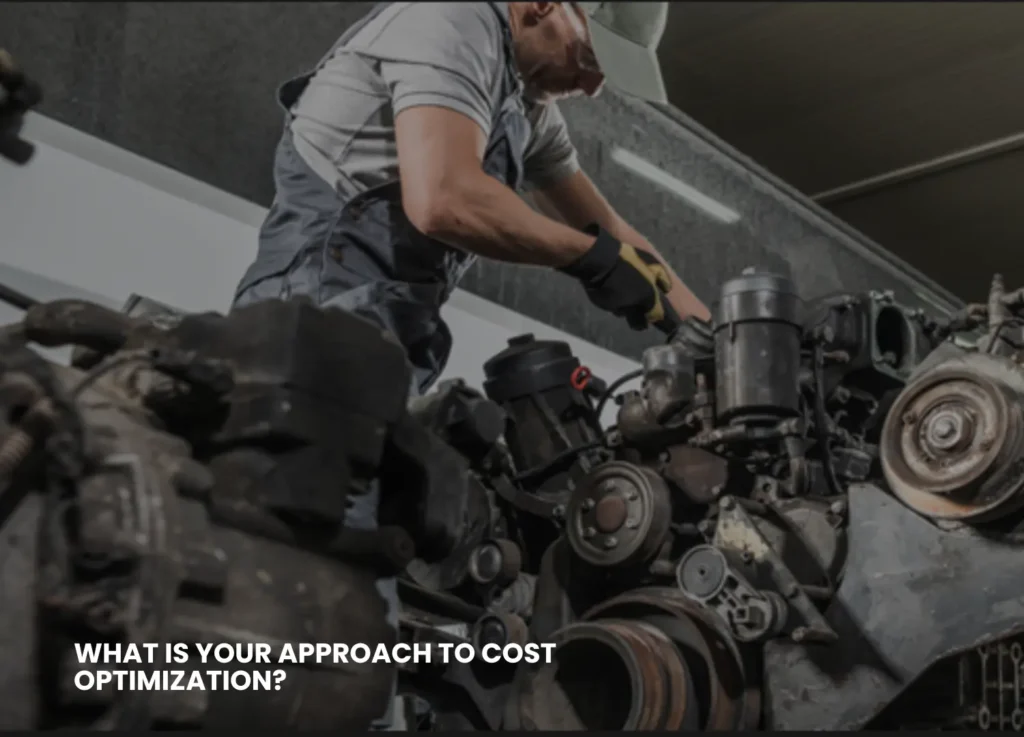
  1. What Is Your Approach to Cost Optimization?


Performance and cost balance good engineering. Enquire of the provider how they approach material selection, manufacturing methods, and simplify the design. 


A knowledgeable engineering partner will suggest cost-saving opportunities without reducing their quality. This can involve a decrease in the amount of waste material, a decrease in the number of parts, or an increase in efficiency in assembly. 


Performance and cost balance good engineering. Enquire of the provider how they approach material selection, manufacturing methods, and simplify the design. 
A knowledgeable engineering partner will suggest cost-saving opportunities without reducing their quality. This can involve a decrease in the amount of waste material, a decrease in the number of parts, or an increase in efficiency in assembly.  


  1. How Do You Handle Prototyping and Testing?


Before proceeding with a larger-scale production, prototyping is necessary. Learn whether they are ready in terms of rapid prototyping, 3D printing, and physical testing.  


A reliable provider of Mechanical Design Services should help in developing a prototype, testing and any necessary adjustments. Early testing reduces risks to production and unnecessary expensive redesigns in the future.  

  1. Can You Support Manufacturing and Production Integration?


Design is not the only part of the process. Enquire on whether the team works together with manufacturers to facilitate smooth production.  


Manufacturing-ready designs provide tolerances, machining, digestibility, assembly, and scalability. Due to knowledge of Design for Manufacturing (DFM) and Design for Assembly (DFA), engineering teams can significantly help in minimising production challenges. 

  1. How Do You Manage Project Timelines and Communication?


Effective communication prevents confusion and time wastage. Inquire about tools of project management, reporting systems, and turnaround times.   


Professional engineering firms provide structured timelines, milestone tracking, and regular updates. Transparent communication ensures that changes, revisions, and approvals are handled efficiently. 

  1. Do You Offer Customisation and Scalability? 


Your business needs may evolve. Select a provider that can scale services according to project complexity. 


Whether you require a small component redesign or a full product development cycle, flexible Mechanical Design Services ensure long-term collaboration. Individual solutions that are interested in your business objectives are more effective than one-size-fits-all approaches.  

  1. How Do You Protect Intellectual Property and Confidential Data?


Engineering projects often deal with confidential designs and information. Ask about confidentiality agreements, safe storage of data, and intellectual property policies.  


A reliable partner should prioritise the security of data and ownership of final designs and documentation. 

Why Mechanical Reverse Engineering Matters? 


Companies in various industries deal with old equipment or parts that have not been properly documented. Mechanical Reverse Engineering enables engineers to digitally reconstruct physical components, understand performance gaps and make improvements. By combining reverse engineering with advanced Mechanical Design Services, businesses can modernise products and extend lifecycle value. 


This approach is especially valuable when: 


  • Spare parts are no longer available. 
  • Original CAD files are missing. 
  • Product upgrades are required. 
  • Cost reduction strategies are needed. 

Conclusion  


Selecting the right engineering partner is crucial to ensuring product reliability, cost efficiency, and long-term success. Assessing knowledge, technical skills and experience in professions like Mechanical Design Services and Mechanical Reverse Engineering enables businesses to reduce the risk associated with development and enhance the overall project outcomes. Asking the right questions before hiring facilitates a smoother implementation, enhanced communication, and quality results that align with industry-specific and market requirements.      


Keyways stands out as a trusted engineering solutions provider committed to precision, innovation, and performance excellence. With a strong focus on structured design processes and client collaboration, the company delivers reliable Mechanical Design Services as per the industry requirements. To stay updated with Keyways’ latest projects and insights, connect with the company on LinkedIn 

Top 10 Issues Fixed Instantly With A Remote CAM Service (Plus How It Works)

Remote CAM services are altering the ballgame for manufacturers. You need not fret over having to figure out the intricate programming code or deal with downtime; you can outsource your CAM (Computer-Aided Manufacturing) tasks to professionals who can remotely connect to your systems. They solve problems quickly in minutes, and your production is not fiddled with.

A PERSON TYPING ON A LAPTOP WITH SMILEYS AND 5 STAR REVIEWS

The blog goes deep into the top 10 most prevalent manufacturing issues that are addressed by a Remote CAM Service immediately, and provides a straightforward explanation of how the service can be used.

Top 10 Issues Fixed Instantly With A Remote CAM Service

Manufacturers are faced with continuous CAM issues that hamper production and waste time. Remote CAM services have secure remote access that will be used to tweak your software, optimise toolpaths and get machines online again.

The 10 most important problems they address immediately are as follows:

Crashed Computer-Aided Software Or Frozen Programs

In case you are doing an important job, and your CAM software suddenly goes dead. The remote expert will log in, reboot processes, delete errors, and be able to restore your setup in less than 10 minutes; you do not need to restart your whole system and waste hours of work.

Incorrect Toolpaths Causing Collisions

Some toolpaths are in error, which may cause machine crashes or scraped parts. The service emulates and fixes paths in real-time and cuts safely and efficiently, which perfectly match your CAD drawing.

Long Machining Times Slowing Production

The programming is inefficient, so the jobs are forever. Professionals remotely optimise the speeds, feeds and paths which reduce the cycle times by 20-50% without you even lifting a finger.

Poor Surface Finish On Parts

Smart appearances or chatter marks destroy quality. Distantly altered finishing plans, stepovers and tool selection provide a smooth finish on the subsequent run.

Error Codes And Machine Alarms

A regular alarm cuts off your CNC machines. The service deciphers errors, modifies parameters, and erases them remotely to have you back in a matter of moments.

Set Up Errors For New Jobs

Job changes cause the misalignment of the offsets or the fixturing. Setups are verified and programmed through remote access by experts, and hours of trial and error are saved on the shop floor.

Incompatible Post-Processors

The output of your CAM does not correspond with the controller of your machine. One of the quick remote fixes is a code that creates the correct code that avoids running tests and compatibility nightmares.

Spindles Or Tools Overheating

Poor parameters lead to the quick wearing of tools. Adjustments are made to the chiploads and coolant settings instantly in case of damage and to increase the life of the tool.

High-Volume Runs Infrastructure

Your team is overburdened with programming numerous similar parts. Automates programs, scales production without requiring personnel, and provides batches of remote services.

Emergency Rush Jobs With Tight Deadlines

A huge order is at the last minute. Professionals create entire CAM programs based on your CAD files in a single night or even in the same day and make stress a success.
The reason behind these fixes is that remote CAM providers are well versed with the popular software such as Mastercam, Fusion 360 or SolidCAM. They enter your system without any problem, they change, and they also test simulations before you execute anything.

Remote CAM Service Wins In The Real World

Firms that apply such services enjoy huge profits. After repairing tools paths remotely, one of the shops saved 40 per cent of the downtime. A second reduced the time spent on custom parts from days to hours. It has such benefits as reduced scrap rates, satisfied customers, and increased machine uptimes without recruiting additional programmers.

The Step-By-Step Guide To How Remote CAM Service Works

Wondering how it is all going on, and no one ever came to your factory? Remote CAM service is easy, safe and expeditious. The process follows the following steps:

Remote CAM service

Step 1: Quick Connection Setup

You put a secure remote access tool such as TeamViewer, AnyDesk or a VPN on your CAM workstation. Upload your CADs and machine information through a portal or email. Hardware-independent, so no changes to hardware are required.

Step 2: Expert Diagnosis

The technician of your service provider links (with your authorisation) and examines the problem. They monitor toolpaths, simulations and machine data in real-time, reporting problematic issues such as bad feeds or geometry errors.

Step 3: Real-Time Resolutions & Optimisation

They remotely reprogram toolpaths, make virtual simulations, and make changes to settings using your CAM software. Modifications are instantly transferred into your machine controller. They use the high-speed plans or the multi-axis movements in complex jobs.

Step 4: Testing And Handover

The specialist is doing all this through a dry run simulation. You receive updated files, a report of what changes have occurred and hints on how to prevent future problems. The production just continues immediately – usually when you are still on the call.

Step 5: Ongoing Support

A significant number of services are available on a 24/7 basis, have monthly retention, or are available as pay-per-fix. Monitor performance using dashboards, which are displayed in terms of uptime and efficiency improvements.
Security is first in the priority list: End-to-end encryption, two-factor authentication, and recordings of the sessions are used. Your information remains on your machines – only the experts see and make changes at all.

Why Choose Remote CAM Over In-House Or On-Site Help?

Traditional fixes imply waiting to have a specialist come to the organisation, which costs thousands of dollars in travel and time lost. Remote service provides 24/7 service around the globe, at a fraction of the cost (usually, it is $100-300/hour). It suits well in small stores that do not need a full-time professional programmer or big companies that may require an overflow programmer.
Also, it is scalable: Deal with a single one-off repair or complete production code. Most providers did not need any long-term contracts.

The Future Of Remote CAM Services

Remote CAM is developing in an Industry 4.0 environment. AI-driven optimisations, cloud-based CAM in support of real-time scaling and integration with IoT sensors to provide predictive fixes, are to be expected. The manufacturers who will remain afloat will depend on these services to maintain quality at low costs. Remote CAM services resolve your biggest manufacturing headaches in real-time, increasing efficiency and profits. They are the ingenious solution to contemporary shops, be it in the form of crashed software or hurried work. Ready to try it? A reliable provider like Keyways can be contacted today, and your production will take off. To know more about the services provided, visit our LinkedIn.

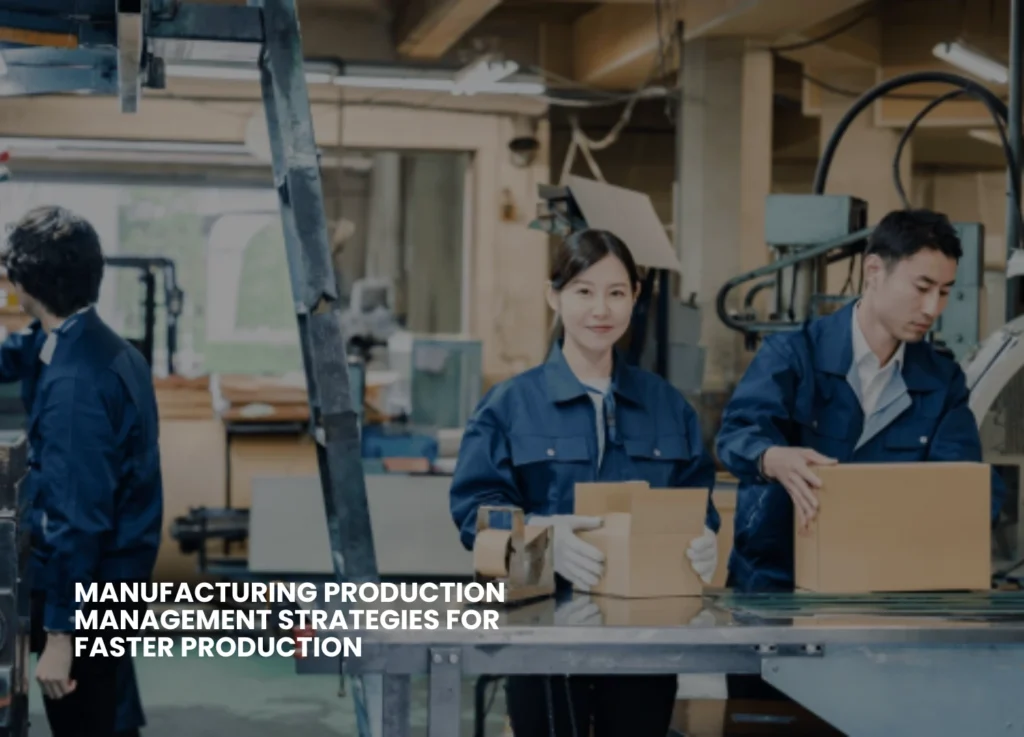
Real-Life Manufacturing Production Management Strategies For Faster Production Flow

Faster production flow means getting products out the door quicker without extra costs or errors. By reducing waste and accelerating each step, practical techniques like lean manufacturing, bottleneck fixes, and smart layouts make factories run more smoothly. These proven methods come from factories worldwide and can boost output by 20-30% in months.

This blog shares some of the real-life manufacturing production management strategies for faster production flow to speed up the process, giving you high returns.


testing engineers quality testing the products after production

Assess Your Current Flow

First of all, map your whole production line to identify the slow points. Factories such as Panasonic’s start with an opportunity assessment, in which they check workflows, space utilisation, inventory levels, and what workers do. This exposes underwrite delays, such as additional steps or congested space, that hinder the flow of materials.

This plain map was used in one auto parts plant, and it saved 15 per cent of unnecessary moves, which liberated floor space and time. Record times and routes of workers each day so that you have a clear image of that before any changes.

Determine And Correct Bottlenecks

The bottlenecks will be the workplaces where something slows down. Typical ones are old machines, manual handling or poor scheduling- correct them by monitoring real-time throughput and delays. An example of a food packaging plant that identified a filler machine as its critical path is represented by a bottleneck. They introduced a second unit and re-trained employees, and reduced the wait times by 25. Use root cause analysis: ask “why” five times to dig deep, then test small fixes.


Implement The Lean Principles Of Manufacturing

Lean eliminates wastes such as overproduction, waiting or stocking, and value is maintained. The charting tools, such as Value Stream Mapping (VSM), are used to display the entire process with the identification of non-value steps to eliminate. You can get a reliable manufacturing operations management service at Keyways.

Real-world example: Just-in-Time (JIT) in a textile mill meant that it should only order fabric when it needed it, reducing inventory expenses by 40 per cent and accelerating flow. Combine it with 5S (sort, set, shine, standardise, sustain) to have tidy workstations which avoid mistakes.
● Map value streams weekly
● Educate train teams (motion, defects, overprocessing).
● Quick win team workshops that are short in duration (Kaizen).


Streamline Facility Planning And Material Flow

Bad layouts can result in additional walking or forklift movements, which are fatal to speed. Redesign in a U-shape or straight line to ensure that materials flow through the shortest paths with minimum movements.

An electronics assembler sorted lines into cells – grouping similar machines – that reduced transportation time by 30 per cent. The solution includes adding modular carts or conveyors to facilitate the smooth movement and applying inventory-related protocols (such as Kanban cards) to request to indicate reorders without overstock.


Boost Equipment And Workforce Efficiency

There needs to be synchronisation between machines and people. Prevent the maintenance to stop failures, and monitor the Overall Equipment Effectiveness (OEE) to achieve 85 per cent uptime. Cross-training workers in a metal fab shop allows the workers to change roles where there are peaks, and therefore, idle time is cut by 20 per cent. Simple robots or sensors can automate monotonous processes and leave personnel to supervise them.


Create Scheduling Data and Software

The tools, such as Manufacturing Execution Systems (MES), provide real-time flow visibility. Balance loads by setting production schedules and not guessing them, by the basis on real demand. One of the furniture manufacturers switched to cloud software to track in real-time and reduced lead-time to 5-10 days. Measure important indicators: cycle, yield, and on-time delivery- modify weekly.


Implement Six Sigma For Quality Flow

Six Sigma makes use of DMAIC (Define, Measure, Analyse, Improve, Control) to reduce defects that slow down rework. It goes hand in hand with lean in order to produce high-quality and consistent output.
Plants that used it to improve beverage filling lines cut variation by 18 per cent and improved the speed offlow by half with less rejection. Grow green belts within the organisation.

an engineer testing the production facility under management rules

Modular Testing And Scaling

Introduction of changes in small stages to prevent havoc. Test line, measure results, then expand. A plastics factory had experimented with lean on one cell and in one cell had increased speed by 22% then extended the rollout to factory-wide, doubling the output. Control using dashboards and employee feedback.

Train And Involve Your Team

Individuals are the motivation behind the flow; train them to do something new and engage them for further improvement. Issues are shared during daily huddles. The continuous improvement teams that worked in one assembly plant resolved 50+ problems each year, increasing flow by 35 per cent. Promote ideas to continue the momentum. These plans combine to achieve sustainable profits. A builder of machinery, a combination of layout optimisation, lean, and data tools paid off with real-life performance in less than a year, demonstrating that real results of lean pay off in the short term.

Final Thoughts

Implementing effective manufacturing production management strategies is essential for achieving faster production flow and improved efficiency. By assessing current workflows, identifying and correcting bottlenecks, and adopting lean principles, manufacturers can significantly enhance their operational performance. Additionally, streamlining facility layouts, boosting equipment and workforce efficiency, and leveraging advanced software for real-time scheduling can lead to substantial gains.

Emphasising quality through Six Sigma and modular testing ensures that changes are impactful and sustainable. Ultimately, engaging and training employees fosters a culture of continuous improvement, which propels productivity and positions a company for long-term success. Embracing these strategies will not only streamline processes but also pave the way for higher returns on investment in manufacturing.

Keyways offers you services that transform your production process for maximum efficiency. To learn more about the business, visit our LinkedIn.

How CAM Automation Outsourcing Cuts Product Design Time by 50%

Businesses are reducing the time of product design by half through the outsourcing of Computer Aided Manufacturing (CAM) automation. Companies that use CAM automation by engaging special firms for CAM automation outsourcing services not only shorten their product development cycles but also have a cutting edge advantage in the competitive markets.

This blog offers you an in depth account of how CAM automation outsourcing can bring about this transformation, in a language that can be understood by common people and with illustrations that are easy to follow.

Engineers using CAM software to automate manufacturing processes in an outsourced setup

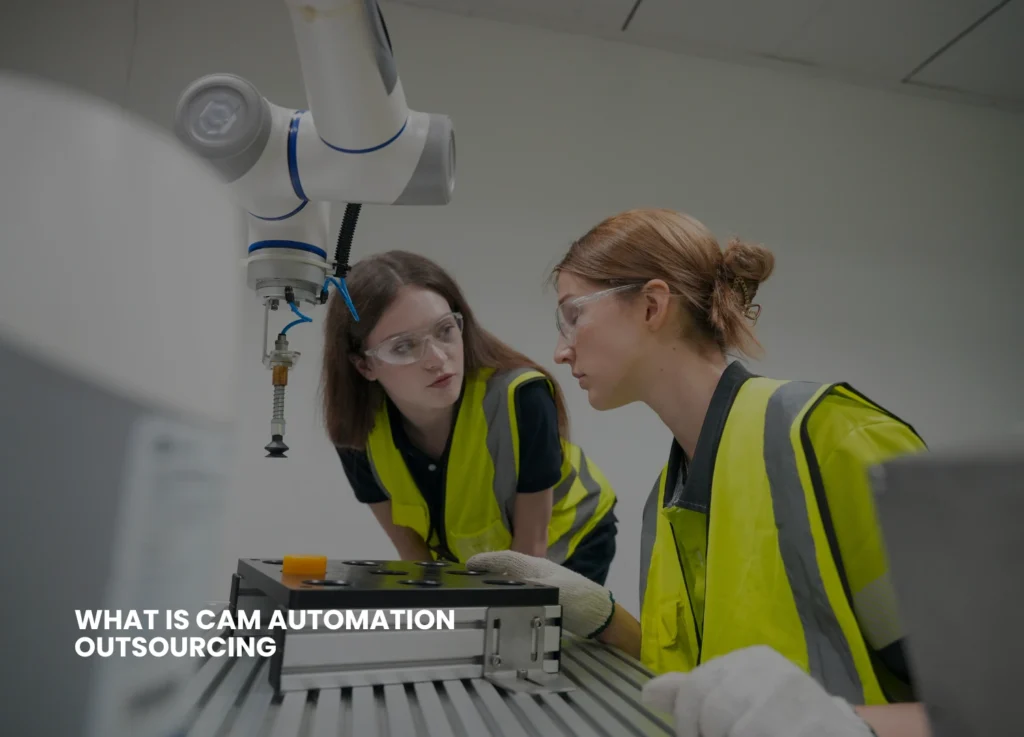
What Is CAM Automation Outsourcing?

Computer Aided Manufacturing (CAM) refers to software applications that control machine tools and automate manufacturing processes. When companies choose to outsource CAM automation, they often partner with a professional engineering firm or freelance engineers. These experts handle tasks such as tool path programming, design verification, and production optimization. This collaboration enables in house teams to focus on innovation and market expansion rather than getting bogged down in technical activities.

The Bottleneck: In House Design of the Products

Traditionally, product design is a long, cyclic process that requires:

● Programming machinery manually.
● Several experimentation and error cycles.

● Close coordination between design and manufacturing departments.

In-house teams are usually constrained by such factors as:

● Outdated equipment
● Lack of specialized skills

● Limit on the use of resources to scale fast.

Such problems delay progress, raise expenses, and could miss the opportunity in the market.

A team of professionals working on laptops and discussing CAM automation strategies in an office setting, representing why companies outsource CAM automation for efficiency and expertise.

Why Companies Outsource CAM Automation?

Outsourcing CAM automation is the close collaboration with specialized service providers who do not deal with any other services but develop, optimize, and maintain automated CAM workflows. These professionals integrate domain expertise and the latest technologies to simplify the process of manufacturing preparation.

The most common reasons why companies opt to outsource are:

● Speed and Scalability: Outside teams will be able to adjust to the evolving workload and deadlines quickly.

● Cross-Industry Experience: CAM professionals who are outsourced usually possess cross-industry knowledge and also know several software packages, including Mastercam, Siemens NX, or Autodesk Fusion 360.
● Cost efficiency: Companies do not need to pay full-time specialists, but pay only at the time when services are necessary to save money on their labor.

● Strengthen Your Core Business: With the outsourcing of technical and routine CAM activities, in-house engineers will be able to concentrate on more important company matters, such as innovation and product development, rather than programming optimization.

The direct impact of these advantages is that the design process is accelerated and more reliable in terms of production outcomes.


Correlation Between CAM Outsourcing And Design Time Reduction

An average product design process consists of a number of stages that are interrelated. They include: concept development, 3D modeling, prototyping, testing, and final manufacturing setup. Any postponement in solving CAM programs can cause disruptions to the whole process. Some companies also offer remote CAM service.Outsourcing of CAM automation prevents most of these bottlenecks by:


Highspeed Data Conversion And Automation Of Toolpaths

The CAD models can be rapidly translated to machining paths through rule-based automation of outsourced CAM engineers. However, once templates are configured, it is possible to program large batches of similar parts in a few minutes rather than hours.
To take an illustration, a tooling manufacturing company that used to spend an entire day coding a

multitude of parts can now program 80 percent of the operation with standardized CAM templates coding it in less than 2-3 hours.


Concurrent Engineering And Design

When CAM is outsourced, design engineers are able to proceed simultaneously on subsequent product designs. During the process of model refinement, the internal team engages its external CAM team to check manufacturability and generate toolpaths with the newest versions of the model. This parallel workflow has a significant reduction in the design-to-manufacture handoff.

Reduced Trial-And-Error

Internal teams can use up hours that are spent optimizing machining parameters through expensive iterations. Off-the-shelf libraries of machine configurations, cutting tools, and materials are used by outsourced CAM experts. Their experience enables them to do away with repetitive simulation cycles, and this saves time and machine resources.

Better Data Reusability

The CAM outsourcing partners have organized databases of machining templates, toolpaths that have been tested, and knowledgeable databases. These can be reused in other projects once made; not only will it remove repetitive programming effort, but it will accelerate the ramp-up of similar components.

Measurement Of The Time Savings

The reduction of time is related to the complexity of parts, industry, and the maturity of workflow, but research and case studies indicate that the average programming and design preparation time has been reduced by 40-50 percent. Keyway offers you reliable CAM automation outsourcing services, thereby easing your process of product manufacturing.
Consider this example:
● Pre-Outsource: The engineers could take 8 hours to code a precision part, do verification, and coordinate design changes.
● Post Outsourcing: Workflow templates and workflow optimization reduced the overall time to 4 hours or less, half of the previous time.

➔ Multiply dozens or hundreds of parts per month, and this efficiency will result in enormous financial and productivity savings.

Long-Term Strategic Benefits Of CAM Automation Outsourcing

In addition to speed, CAM automation outsourcing has a number of long-term benefits that contribute to the performance of product development further.
● Quality Stability: With auto templates, there is uniformity in the generation of toolpaths and also reduced human error.
● Continuous Improvement: CAM partners update automation scripts on an ongoing basis, as per the new machining strategies and best practices.
● Increased Flexibility: It could be a production scaling, a change with new materials, or the implementation of new machines; outsourced CAM processes are flexible.
● Quick Market Response: It provides the shortest product design cycle, so quicker market entry, which is vital in businesses such as aerospace, automotive, and consumer electronics.

These benefits not only allow the companies to reduce time but also to create a data-driven design ecosystem that is sustainable.

Illustration of a graph using symbols to represent the strategic benefits of CAM automation outsourcing, such as cost savings, efficiency, and scalability.

Outsourcing CAM Automation: How to do it Effectively

One should go about CAM outsourcing in a deliberate manner in order to get the highest returns on the

investment.

● Evaluate Internal Processes-Find out CAM processes that are repetitive or time-consuming and are automatable.
● Select A Trusted Partner-Find a service provider who has experience in your industry, with whom you can work with and whose software instruments are compatible.
● Standardize Data Format-Provide a smooth flow of information between the design, engineering, and manufacturing departments by aligning the CAD/CAM data standards.
● Begin with Pilot Projects-Use a small project as the first automation and measure the outcome, and then increase the scale of the workflow when the workflow becomes effective.

● Stay Collaborative-Have a free flow between the house engineers and the outsourced teams to ensure the learning and integration on an ongoing basis.

With the correct management, CAM automation outsourcing will not be a solo operation but instead a joint continuation of your engineering

The Future of CAM Automation

With the further evolution of AI-based design and digital manufacturing, the outsourcing of CAM automation is bound to be even more effective. New technologies, such as machine learning, digital twins, and cloud collaboration, are making it possible to have entire design-to-production pipelines. With predictive machining techniques coupled with intelligent automation, organizations can realize even quicker, more accurate as well and more economical product development periods. It is those manufacturers who will be setting the standards within the industry in the future since they are the ones who are adopting this change.

Final Thoughts

To manufacturers who would want to remain competitive, outsourcing CAM automation is not an option but a requirement. Not only does it reduce product design time by up to 50 percent, but it also improves overall quality, scalability, and operational agility. Outsourcing increases the level of efficiency by integrating specialized knowledge, standardized automation, and continuous improvement that will enable the creation of a smarter and quicker path to production-making efficiency your primary competitive edge. Keyway streamlines your production process for unparalleled efficiency and quality by offering precision-driven manufacturing solutions. For more information on our business, visit our LinkedIn.