


Faster production flow means getting products out the door quicker without extra costs or errors. By reducing waste and accelerating each step, practical techniques like lean manufacturing, bottleneck fixes, and smart layouts make factories run more smoothly. These proven methods come from factories worldwide and can boost output by 20-30% in months.
This blog shares some of the real-life manufacturing production management strategies for faster production flow to speed up the process, giving you high returns.
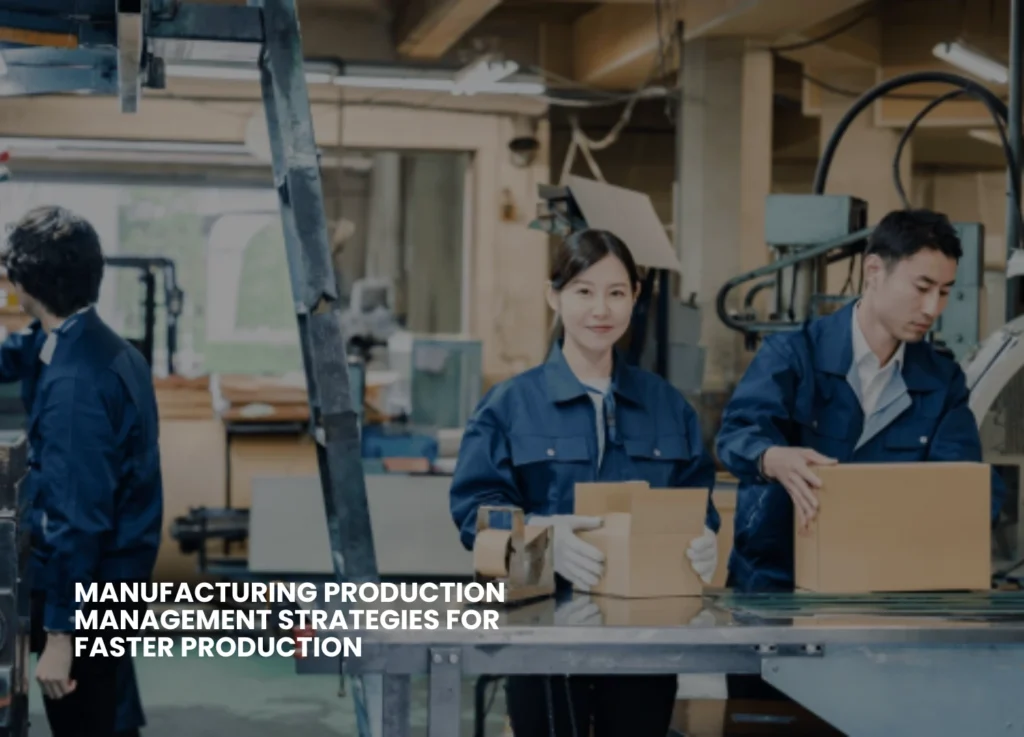
Assess Your Current Flow
First of all, map your whole production line to identify the slow points. Factories such as Panasonic’s start with an opportunity assessment, in which they check workflows, space utilisation, inventory levels, and what workers do. This exposes underwrite delays, such as additional steps or congested space, that hinder the flow of materials.
This plain map was used in one auto parts plant, and it saved 15 per cent of unnecessary moves, which liberated floor space and time. Record times and routes of workers each day so that you have a clear image of that before any changes.
Determine And Correct Bottlenecks
The bottlenecks will be the workplaces where something slows down. Typical ones are old machines, manual handling or poor scheduling- correct them by monitoring real-time throughput and delays. An example of a food packaging plant that identified a filler machine as its critical path is represented by a bottleneck. They introduced a second unit and re-trained employees, and reduced the wait times by 25. Use root cause analysis: ask “why” five times to dig deep, then test small fixes.
Implement The Lean Principles Of Manufacturing
Lean eliminates wastes such as overproduction, waiting or stocking, and value is maintained. The charting tools, such as Value Stream Mapping (VSM), are used to display the entire process with the identification of non-value steps to eliminate. You can get a reliable manufacturing operations management service at Keyways.
Real-world example: Just-in-Time (JIT) in a textile mill meant that it should only order fabric when it needed it, reducing inventory expenses by 40 per cent and accelerating flow. Combine it with 5S (sort, set, shine, standardise, sustain) to have tidy workstations which avoid mistakes.
● Map value streams weekly
● Educate train teams (motion, defects, overprocessing).
● Quick win team workshops that are short in duration (Kaizen).
Streamline Facility Planning And Material Flow
Bad layouts can result in additional walking or forklift movements, which are fatal to speed. Redesign in a U-shape or straight line to ensure that materials flow through the shortest paths with minimum movements.
An electronics assembler sorted lines into cells – grouping similar machines – that reduced transportation time by 30 per cent. The solution includes adding modular carts or conveyors to facilitate the smooth movement and applying inventory-related protocols (such as Kanban cards) to request to indicate reorders without overstock.
Boost Equipment And Workforce Efficiency
There needs to be synchronisation between machines and people. Prevent the maintenance to stop failures, and monitor the Overall Equipment Effectiveness (OEE) to achieve 85 per cent uptime. Cross-training workers in a metal fab shop allows the workers to change roles where there are peaks, and therefore, idle time is cut by 20 per cent. Simple robots or sensors can automate monotonous processes and leave personnel to supervise them.
Create Scheduling Data and Software
The tools, such as Manufacturing Execution Systems (MES), provide real-time flow visibility. Balance loads by setting production schedules and not guessing them, by the basis on real demand. One of the furniture manufacturers switched to cloud software to track in real-time and reduced lead-time to 5-10 days. Measure important indicators: cycle, yield, and on-time delivery- modify weekly.
Implement Six Sigma For Quality Flow
Six Sigma makes use of DMAIC (Define, Measure, Analyse, Improve, Control) to reduce defects that slow down rework. It goes hand in hand with lean in order to produce high-quality and consistent output.
Plants that used it to improve beverage filling lines cut variation by 18 per cent and improved the speed offlow by half with less rejection. Grow green belts within the organisation.

Modular Testing And Scaling
Introduction of changes in small stages to prevent havoc. Test line, measure results, then expand. A plastics factory had experimented with lean on one cell and in one cell had increased speed by 22% then extended the rollout to factory-wide, doubling the output. Control using dashboards and employee feedback.
Train And Involve Your Team
Individuals are the motivation behind the flow; train them to do something new and engage them for further improvement. Issues are shared during daily huddles. The continuous improvement teams that worked in one assembly plant resolved 50+ problems each year, increasing flow by 35 per cent. Promote ideas to continue the momentum. These plans combine to achieve sustainable profits. A builder of machinery, a combination of layout optimisation, lean, and data tools paid off with real-life performance in less than a year, demonstrating that real results of lean pay off in the short term.
Final Thoughts
Implementing effective manufacturing production management strategies is essential for achieving faster production flow and improved efficiency. By assessing current workflows, identifying and correcting bottlenecks, and adopting lean principles, manufacturers can significantly enhance their operational performance. Additionally, streamlining facility layouts, boosting equipment and workforce efficiency, and leveraging advanced software for real-time scheduling can lead to substantial gains.
Emphasising quality through Six Sigma and modular testing ensures that changes are impactful and sustainable. Ultimately, engaging and training employees fosters a culture of continuous improvement, which propels productivity and positions a company for long-term success. Embracing these strategies will not only streamline processes but also pave the way for higher returns on investment in manufacturing.
Keyways offers you services that transform your production process for maximum efficiency. To learn more about the business, visit our LinkedIn.